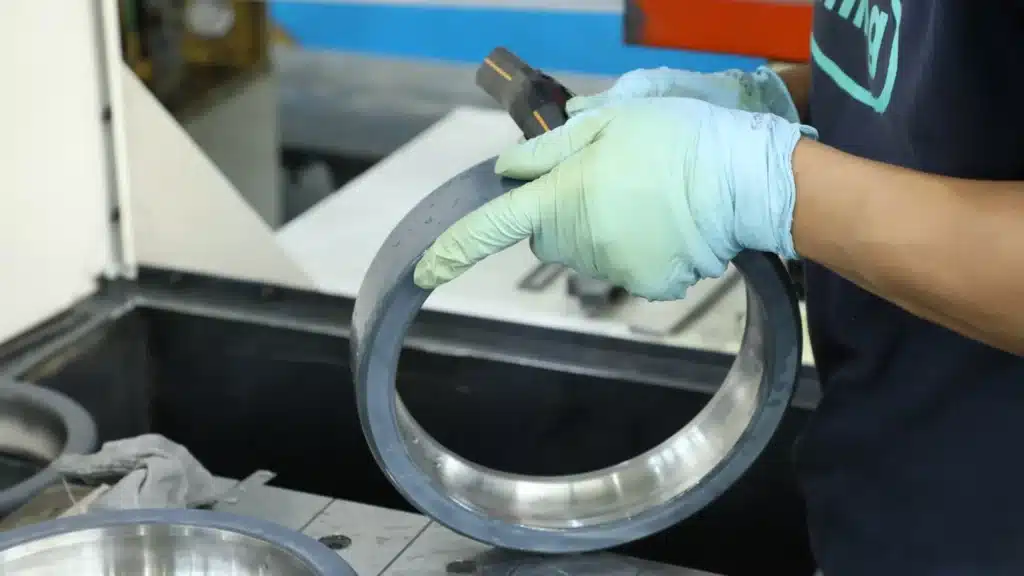
Wind Turbine Main Shaft Bearings: TFL Drives the Future of Green Energy
Wind power is rapidly growing as a green energy. Wind turbine main shaft bearings are core components, critical for both performance and cost. TFL bearings strictly meet industry standards, ensuring your wind turbines run efficiently and stably.
- Home
- »
- Industries
- »
- Wind Turbine Main Shaft Bearings
The Unique Challenges of Wind Turbine
We offer a variety of electric insulating bearings to choose from. The standard bearing classifications include deep groove ball bearings, cylindrical roller bearings, and tapered roller bearings. We have the standard bearing classifications shown below in stock and can deliver quickly.
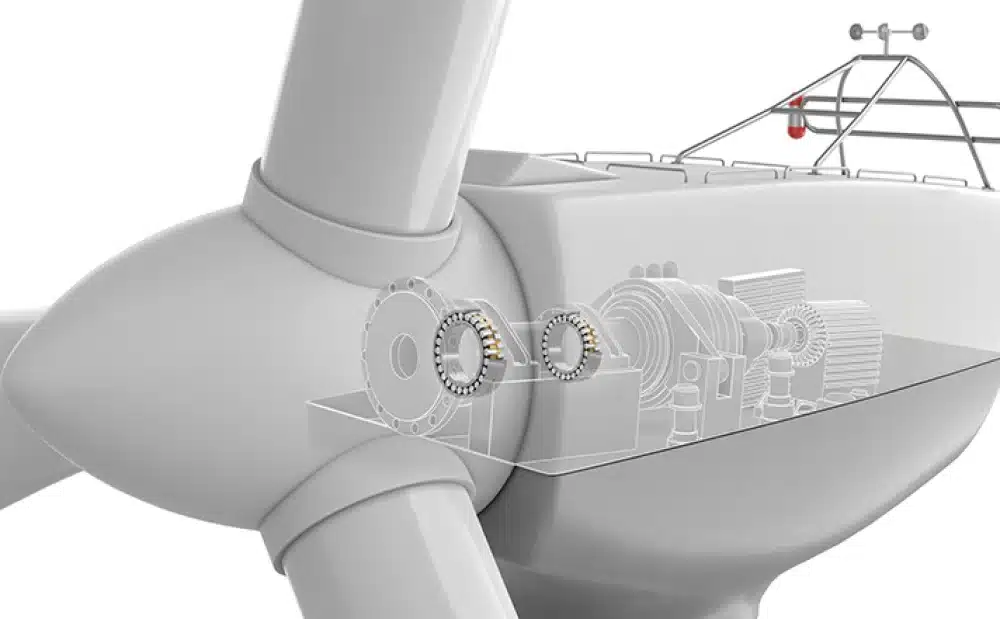
Challenge 1: Variable Frequency Drive (VFD) Voltage and Shaft Voltage
Problem Description: As power generation equipment, wind turbine bearings are exposed to both common mode voltages from VFDs and shaft voltages from generator asymmetry. Any current passing through the bearing can cause electro-erosion, leading to premature bearing failure.
TFL's countermeasures
- Special Insulating Coating: Completely blocks current paths, eliminating the risk of electro-erosion
- High Dielectric Strength: Up to 200 MΩ electrical resistance.
- Advanced Plasma Spray Technology: Ensures a robust.
Challenge 2: Massive Radial and Axial Loads
Problem Description:Wind power equipment is immense, with single blades reaching tens or even hundreds of meters. Main shaft bearings must handle immense radial and axial loads, along with impacts from all unpredictable wind directions.
TFL's countermeasures
- Optimized Bearing Configuration: Offers exceptional bidirectional load capacity for diverse and complex operating conditions.
- Precision Roller and Raceway Design: Ensures even load distribution.
- Deep Carburization Hardening: Greatly enhances surface hardness, wear resistance, and core toughness.
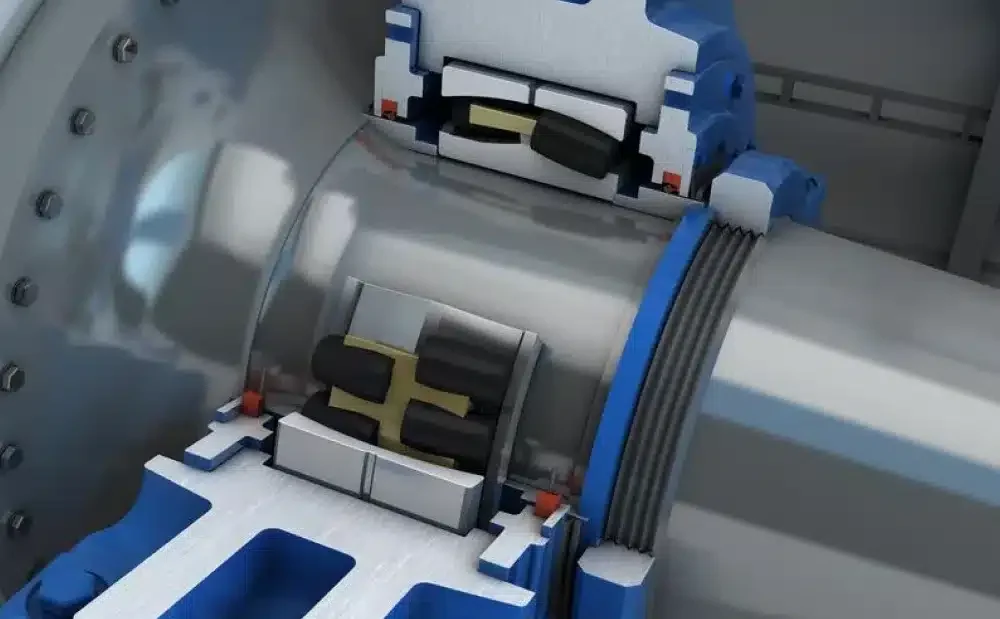
Challenge 3: Difficult to Monitor Bearing Condition
Problem Description:Wind turbine main shaft bearings are often located in remote areas (e.g., mountains, deserts, offshore), making real-time monitoring and maintenance extremely challenging and costly. Bearing failure leads to significant downtime and complex replacement procedures, often requiring heavy machinery like cranes. Maximizing reliability and avoiding failures are paramount.
TFL's countermeasures
- High-Performance Long-Life Grease: Enables extended maintenance-free operation.
- Optimized Sealing Solutions: Effectively retains lubricant and prevents contamination.
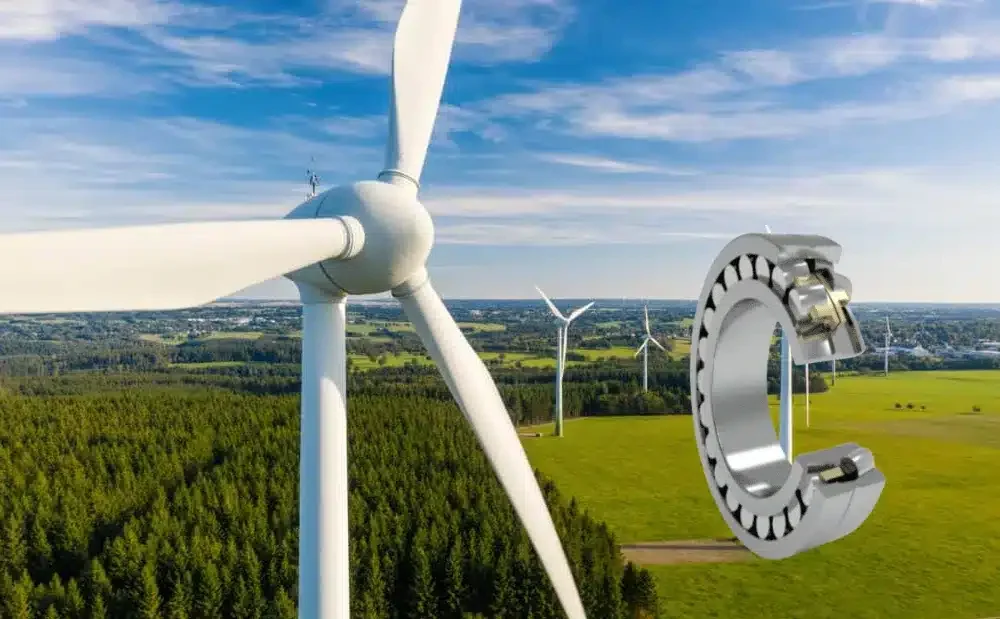
Challenge 4: Future Challenges: Lightweighting, High Strength, High Reliability
Problem Description:The rapidly expanding wind power industry demands wind turbine main shaft bearings that are lightweight, high-strength, and highly reliable, to meet the increasing capacity and power output of next-generation wind turbines. For example, the EU’s REPowerEU plan significantly increased the 2030 offshore wind target to 111GW.
TFL's countermeasures
- Manufacturing Capability: Ready to meet the demands of even larger wind turbine designs.
- Rigorous Precision Control: Ensures every bearing delivers optimal performance and reliability.
- Continuous Structural Innovation: Enhances load density and efficiency.
Recommended products: Wind Turbine series
We integrate patented technology, stringent quality control, and supply chain efficiency to deliver unmatched reliability and value to our partners.
More Than Standard Products: Flexible Custom Solutions
Whether you require the development of special-sized bearings or need insulation coating services for your existing ones, our technical team provides comprehensive support from design to flexible production, responding quickly to your unique needs.

Typical Applications
We provide proven insulated bearing solutions that ensure both complete electrical protection and optimal mechanical performance, enhancing the longevity and reliability of your machinery in any industrial environment.
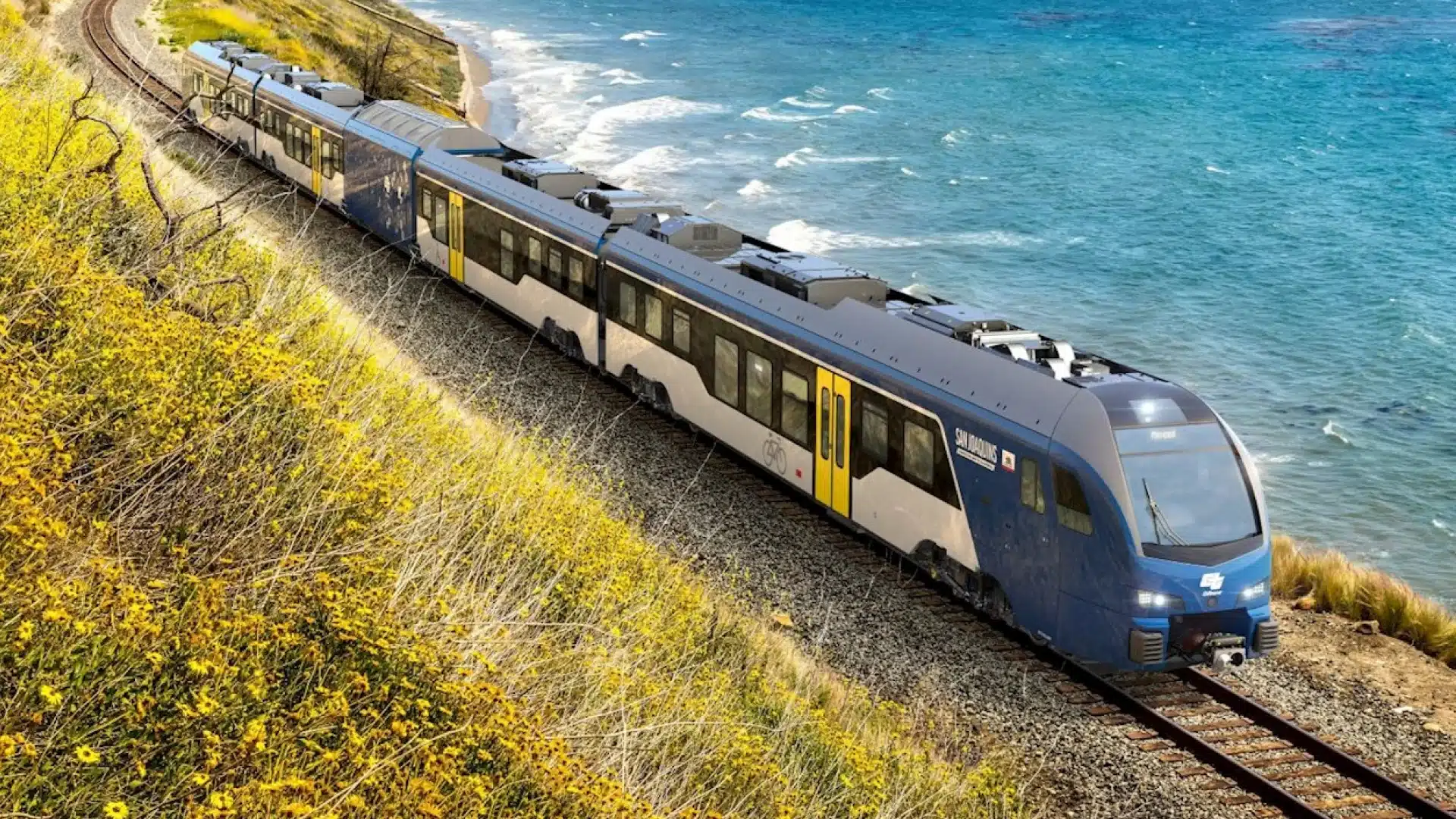
Bearings For Railway Transportation
TFL’s insulated bearings, with robust aluminum oxide ceramic coatings, are vital for railway traction motors. They establish a powerful dielectric barrier, effectively blocking damaging shaft currents from Variable Frequency Drives (VFDs), thus preventing electrical erosion and premature equipment failure.
By safeguarding these critical components, our bearings significantly enhance the safety, reliability, and uptime of modern railway systems. As a trusted supplier, we provide proven solutions designed for the rigorous demands of daily rail operation.
Hot Market
- Special Insulated Bearings for Traction Motors
- High Resistance to Shock & Vibration
- Hybrid Ceramic Bearing Options
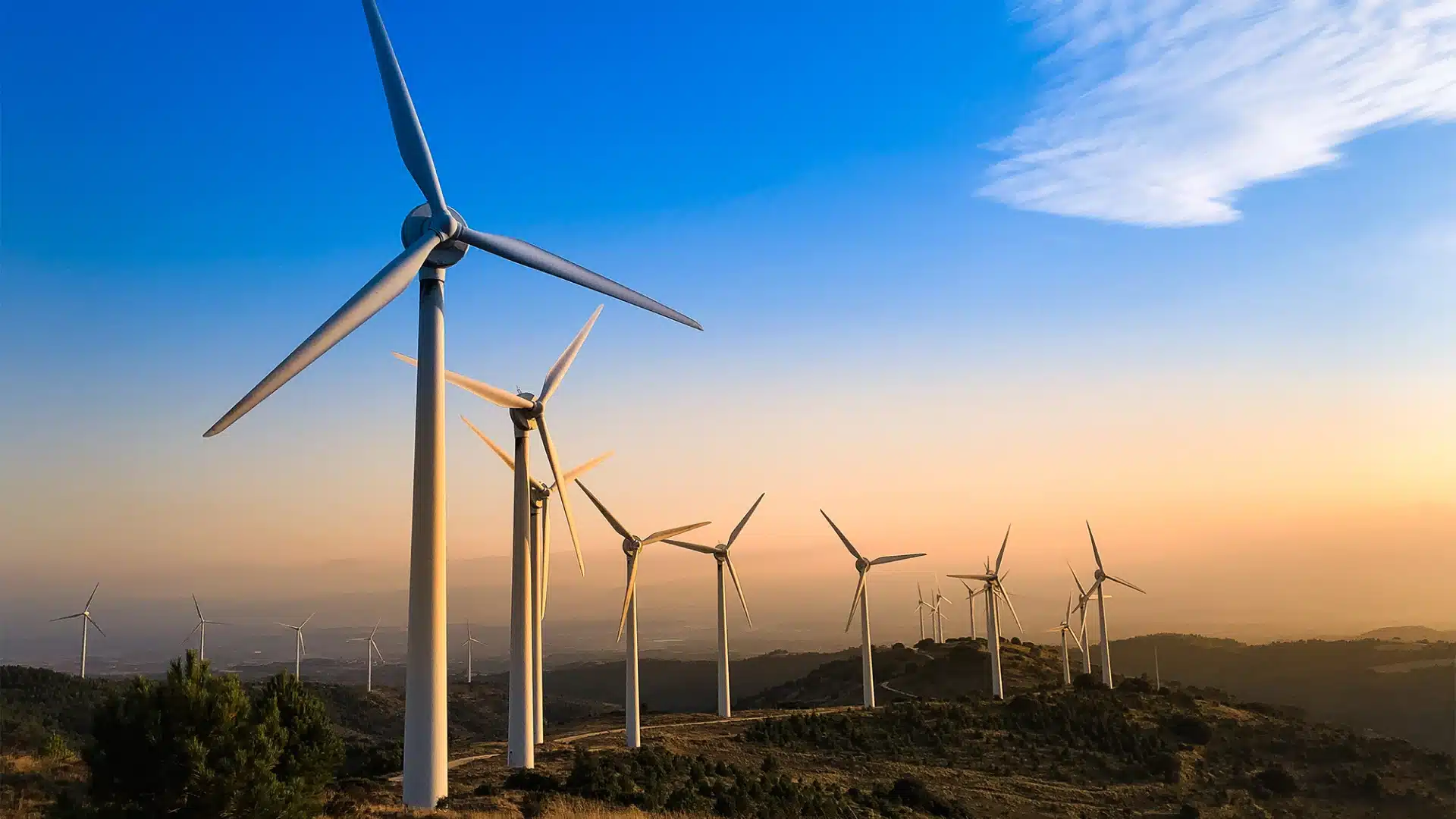
Bearings For Wind Power
Wind power is cornerstone of sustainable energy vital for combating climate change and the one solution to energy
issues such as the prevention of global warming.
Given the substantial maintenance costs and extended downtime associated with these large, eco-friendly systems, our bearings offer indispensable protection. By creating a robust dielectric barrier, they ensure the stable, reliable, and continuous operation of wind turbines, significantly reducing maintenance interventions and supporting a greener, more efficient energy future.
Hot Market
- Main Shaft & Generator Bearings
- High-Reliability & Long-Life Design
- Coating for Harsh Environments
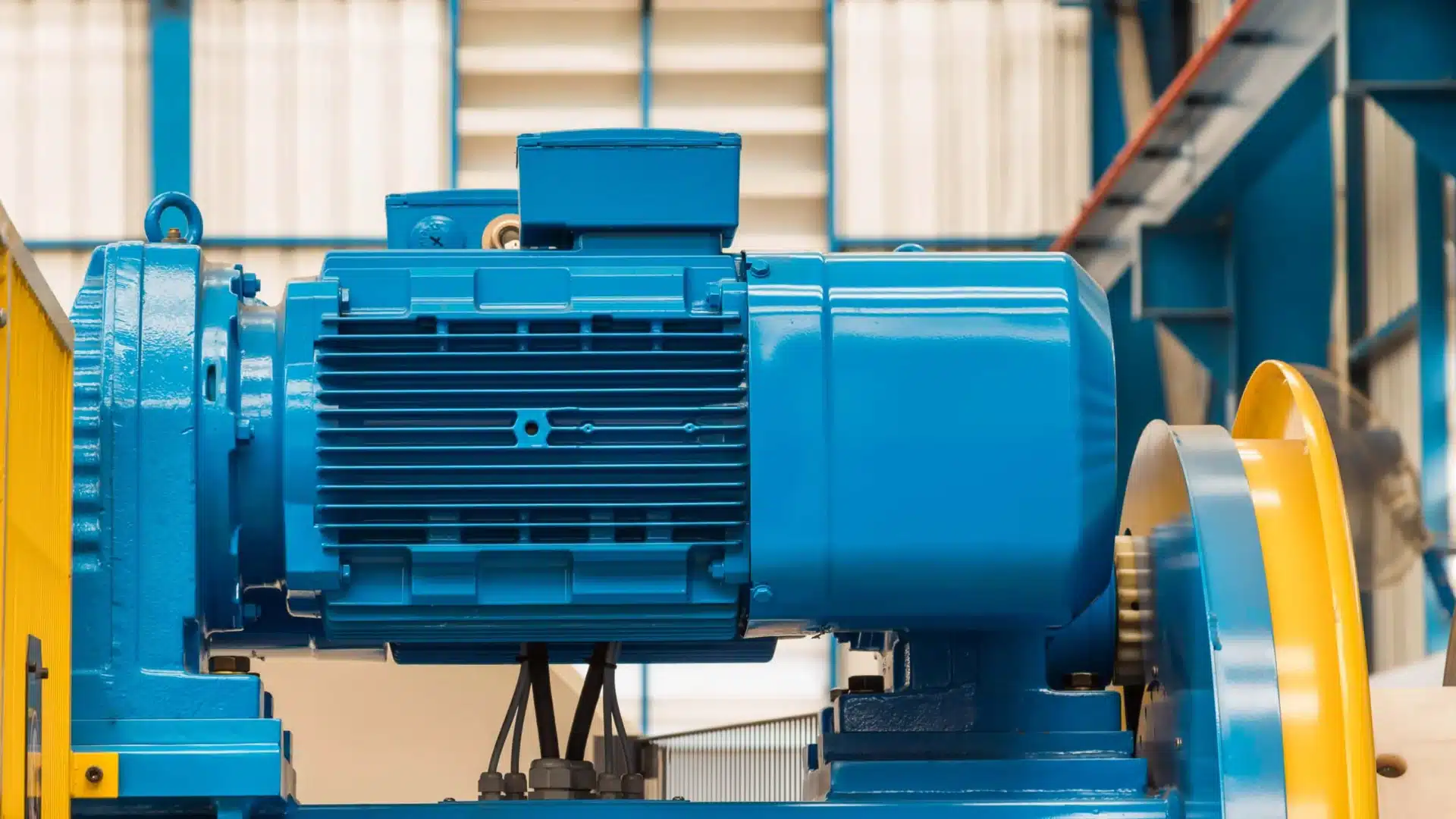
Bearings For Industrial Motor
Industrial motors are the undisputed heart of productivity, driving essential processes across nearly every sector. However, modern Variable Frequency Drives (VFDs) generate damaging shaft currents that threaten motor longevity and reliability.
TFL’s insulated bearings offer critical protection, establishing a robust dielectric barrier. This prevents electrical erosion and premature failure, ensuring consistent, long-term performance of these vital machines. By safeguarding the ‘heart’ of your operations, our bearings significantly reduce unplanned downtime, cut maintenance costs, and enhance operational efficiency and motor lifespan.
Hot Market
- Insulation Protection for VFD Motors
- Insulated Deep Groove Ball Bearings
- Insulated Cylindrical Roller Bearings
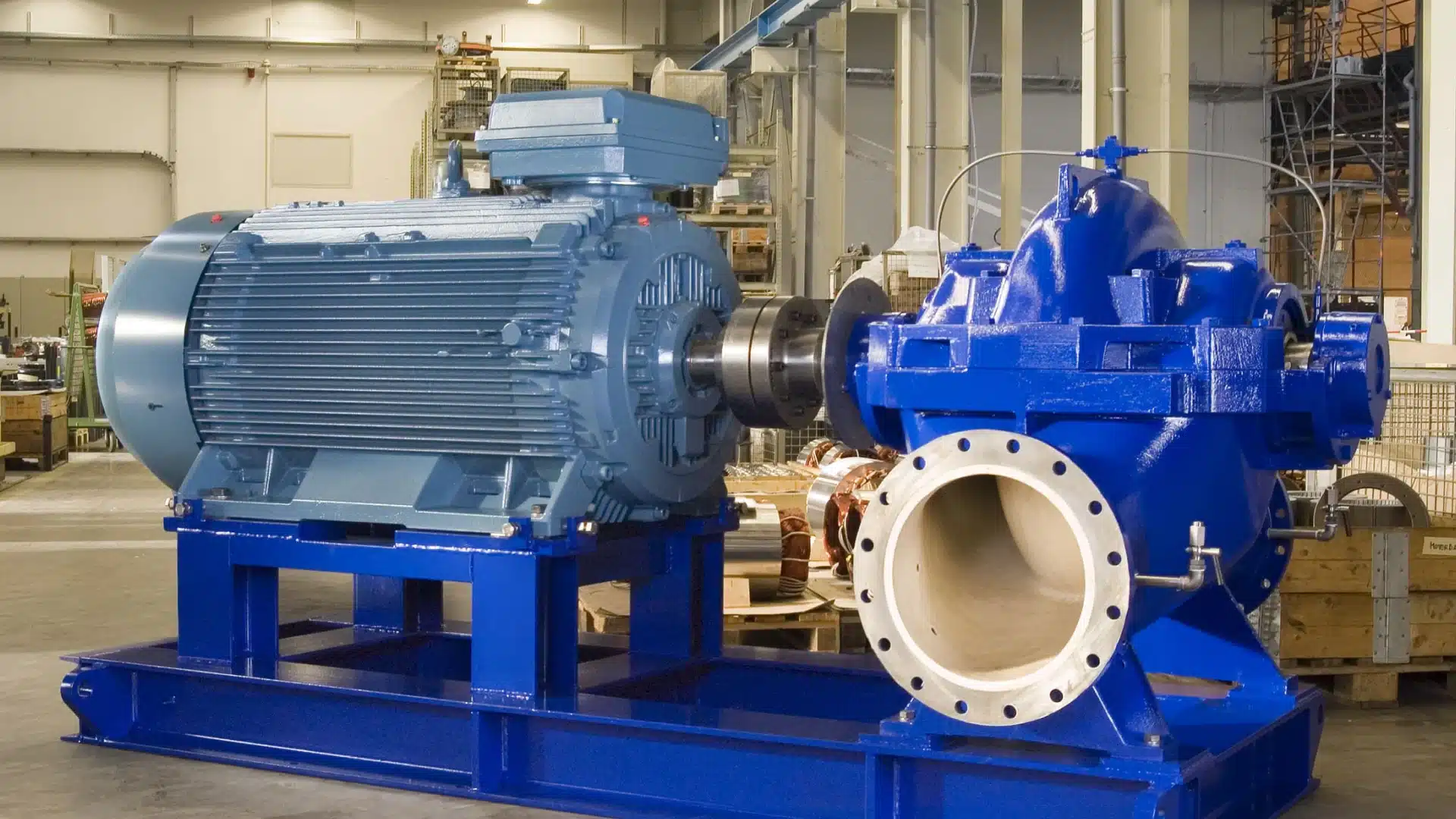
Bearings For Industrial Pumps & Fans
For VFD-driven industrial pumps and fans where stray currents threaten reliability, our insulated bearings are the proven solution. They feature a specialized dielectric coating that safely interrupts the electrical path, preventing catastrophic bearing failure and costly downtime. This makes our bearings a fundamental component for ensuring the safe, continuous operation of your most vital systems.
Hot Market
- Preventing Premature Failure from Shaft Currents
- Reducing Maintenance Frequency & Costs
- Standard Dimensions for Easy Replacement

Bearings For Mining Industry
The mining industry is foundational, providing essential raw materials that underpin modern infrastructure and technology. Operations involve colossal, heavy-duty machinery in harsh, often remote environments, demanding exceptional safety standards and continuous production. These demanding conditions, coupled with the high cost and risk of maintenance, make equipment reliability paramount.
TFL’s insulated bearings offer a critical safeguard, specifically engineered for the mining sector. They create a robust dielectric barrier, effectively blocking damaging shaft currents generated by Variable Frequency Drives (VFDs), which otherwise lead to electrical erosion and premature equipment failure. This ensures the stable and uninterrupted operation of vital mining equipment, significantly reducing costly downtime, enhancing worker safety, and sustaining productivity in the most challenging conditions.
Hot Market
- For Excavator, Crusher & Conveyor Motors
- Design for High Contamination & Shock Loads
- Enhancing Equipment Reliability in Harsh Environments
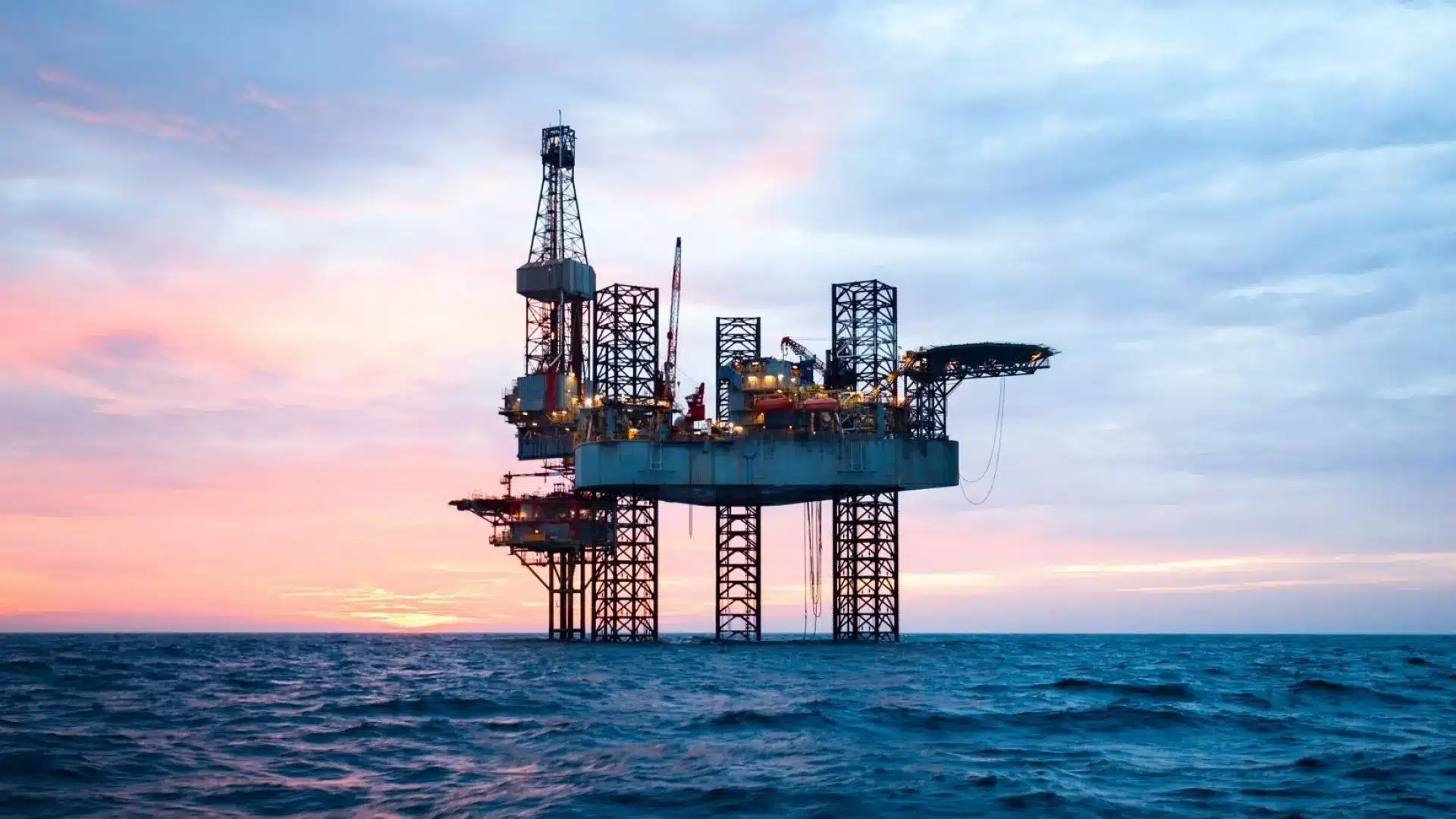
Bearings For Oil & Gas Industry
We utilize a robust aluminum oxide coating to provide superior electrical insulation in our bearings. This is vital for Oil & Gas operations, where stray currents from VFDs can cause sparks and lead to catastrophic failure in potentially explosive atmospheres. As a dedicated partner, we deliver insulated bearings that enhance equipment safety and maximize uptime for your critical machinery.
Hot Market
- For Pumps, Compressors & Drilling Motors
- Ensuring Continuous Operation of Mission-Critical Equipment
- Optional Coatings for Corrosive & High-Temp Environments
General FAQ
Find quick answers to common inquiries about our technology, product compatibility, and ordering process.
Wind turbines are giant lightning rods. Even with lightning protection, small amounts of electricity (stray currents) can leak into the main shaft. If this electricity passes through the main shaft bearing, it causes "micro-pitting" on the rollers. Over time, this makes the bearing fail. Our ceramic-coated bearings act as a safety wall to stop these currents.
You can use standard Vibration Analysis and Oil Analysis. Because our insulated bearings prevent electrical damage, you will notice that the vibration levels stay low for a much longer time compared to standard steel bearings. This keeps your turbine spinning and making money.
We design our coatings to last as long as the bearing itself—usually 20 years or more. The alumina (ceramic) layer is very hard and wear-resistant. It won't wear off because it sits on the outside of the ring, not on the moving parts. This means you don't have to worry about replacing it frequently.
Offshore air is very salty and wet, which can hurt some coatings. Our bearings are treated with a special anti-corrosion sealant over the ceramic layer. This blocks salt and humidity from touching the metal. It’s like giving the bearing a waterproof raincoat.
The primary culprit is microscopic surface fatigue caused by "low-speed, high-load" operating conditions. Because the main shaft turns slowly (10-20 RPM), it struggles to maintain a thick lubricating oil film, leading to metal-to-metal contact, micropitting, and eventual structural spalling under massive rotor weight.
You must use a fully synthetic, high-load-carrying grease specifically formulated for wind applications. The ideal grease must offer excellent water resistance (especially for offshore turbines), anti-wear properties, and must be tailored to the specific microclimate (temperature extremes) of the wind farm to prevent skidding.
Insulated Bearing in Wind Turbine Main Shaft
What is a Wind Turbine Main Bearing?
A wind turbine main bearing is the crucial mechanical joint that supports the rotor’s massive weight and transfers wind-captured energy into the drivetrain. Acting as the turbine’s backbone, it must withstand extreme dynamic loads while maintaining flawless rotation for over 20 years.
Are you tired of dealing with unexpected downtime and skyrocketing maintenance costs due to premature bearing failures?
You are not alone.
Wind turbine bearings operate in some of the most unforgiving environments on earth, and a single failure can wipe out months of profitable energy generation. In this comprehensive guide, we will break down exactly how these critical components work and how to protect them. You will discover:
- The core functions of the 4 major wind turbine bearings.
- Why their operating environment is considered “hellish” for mechanical parts.
- The hidden threat of stray currents (and how to stop them).
- Insider maintenance tips from industry experts.
The Core “Joint” of the System: A Minimalist Guide to Wind Turbine Bearings
Look up at a modern wind turbine.
Those massive blades sweeping through the air? They weigh tens of thousands of pounds. Now, imagine holding that spinning weight steady in a Category 3 hurricane.
That is exactly what the wind turbine main bearing does every single day.
What Exactly is a Wind Turbine Main Bearing?
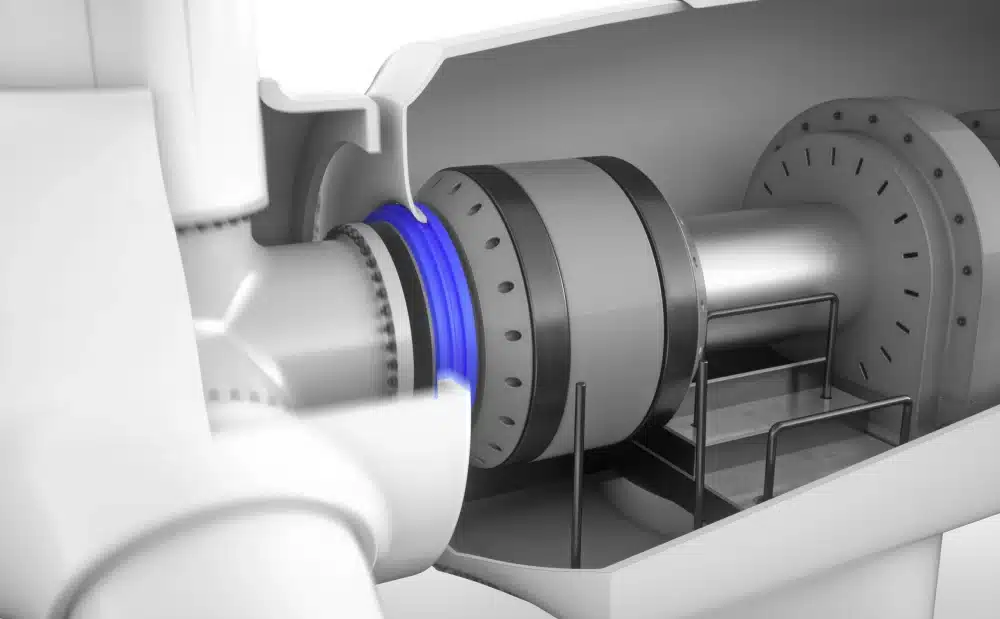
At its core, the main bearing (or main shaft bearing) is the primary load-bearing component in a wind turbine’s drivetrain.
It sits directly behind the rotor hub, acting as the critical “spine” of the entire system.
Its primary jobs include:
- Supporting the rotor’s weight: Preventing the main shaft from bending or sagging under gravity.
- Absorbing axial thrust: Taking the massive push of the wind head-on and transferring it to the nacelle structure.
- Enabling power transmission: Allowing the shaft to rotate smoothly to feed the gearbox and generator.
How Does It Differ from Standard Industrial Bearings?
Here is the truth.
You cannot just scale up a standard factory bearing and put it in a wind turbine. The rules of physics change at 300 feet in the air.
Wind turbine bearings are highly engineered marvels built for extreme survival. They differ in three critical ways:
- Massive Scale: A main bearing can easily exceed 2 meters (6.5 feet) in diameter and weigh several tons.
- Custom Geometries: They feature highly optimized internal clearances and specialized cage designs to handle unpredictable wind gusts.
- The “20-Year Rule”: Unlike factory bearings that can be easily replaced over a weekend, a turbine main bearing is designed to operate continuously for 20+ years without replacement.
Expert Insight from Jessica Jia, Chief Technical Advisor:
“Many newcomers assume the main bearing only handles rotational friction. In reality, it is a structural shock absorber. When a sudden gust of wind hits an asymmetric blade angle, the main bearing takes the brunt of that chaotic, multi-directional force. That is why material purity and raceway geometry are absolutely non-negotiable for our TFL bearings.”

The Main Bearing vs. The Rest: The Turbine’s First Line of Defense
To understand the immense pressure on the wind turbine main bearing, you need to see where it stands in the drivetrain hierarchy.
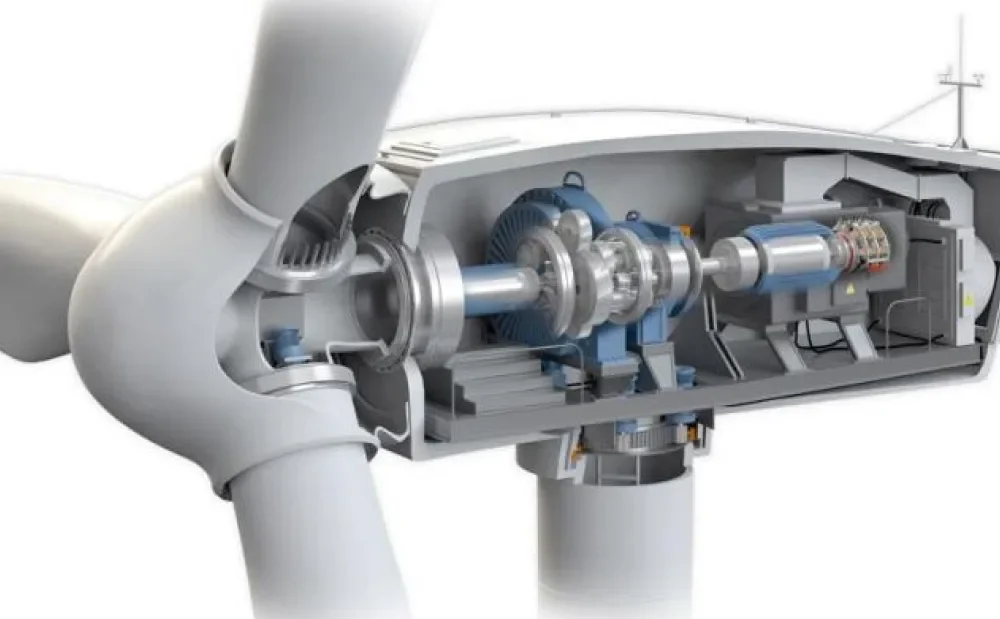
While there are four critical bearing zones inside a nacelle, the main bearing is the undisputed frontline defender. Here is how it protects the rest of the system:
| Bearing Location | Role in the Drivetrain | Why the Main Bearing is More Critical |
|---|---|---|
| Main Bearing | Directly behind the rotor hub. | The Shield: Absorbs 100% of the massive rotor weight and erratic wind gusts before they reach the gearbox. |
| Gearbox Bearings | Inside the speed multiplier. | Relies entirely on the main bearing to keep the shaft perfectly aligned. If the main bearing wobbles, the gearbox shatters. |
| Generator Bearings | Rear electrical unit. | Handles high speeds, but faces zero aerodynamic structural loads compared to the main shaft. |
| Pitch & Yaw Bearings | Blades and tower connection. | Moves intermittently for positioning, whereas the main bearing endures continuous dynamic rotation. |
Why the Main Bearing’s Operating Environment is Pure “Hell”
The main bearing does not have the luxury of spinning in a clean, stable factory environment. It faces physics-defying challenges daily.
1. The “Low-Speed, High-Load” Paradox
This is the ultimate engineering nightmare. The main shaft rotates very slowly—typically only 10 to 20 RPM. At these creeping speeds, it is incredibly difficult for the bearing to build up a protective hydrodynamic oil film. The immense weight of the rotor constantly threatens to crush this microscopic layer of grease, forcing metal-to-metal contact on the raceways.
2. Multi-Directional Axial Thrust
Wind is never perfectly steady. When a sudden 50 mph gust hits the blades asymmetrically, it creates a massive axial thrust. The main bearing acts as a giant shock absorber, catching this violent, multi-directional force and transferring it safely to the tower structure, preventing the shaft from snapping.

The Multi-Million Dollar Nightmare: Main Bearing Replacement Costs
When a main bearing fails, it is not a maintenance task; it is a major construction project.
Because the main bearing sits at the very front of the drivetrain, replacing it requires catastrophic downtime. Maintenance teams cannot simply swap it out inside the nacelle. They must mobilize massive 800-ton crawler cranes to completely remove the rotor blades and hub just to access the main shaft. For offshore turbines, chartering a jack-up vessel for a main bearing replacement can instantly cost millions of dollars, wiping out an entire year of energy revenue.
Stray Currents & Lightning: The Invisible Threat to Main Bearings
We often associate stray currents with generators, but the main bearing faces an even more primal electrical threat.
The massive turbine blades act as giant lightning rods. Even with grounding systems in place, severe lightning strikes or parasitic leakage from the rotor can force massive electrical currents straight down the main shaft. When this high-voltage current seeks the path of least resistance to ground, it arcs directly through the massive rollers of the main bearing.
This localized arcing melts the steel, causing microscopic craters known as electrical pitting. Over time, these craters cause the main bearing to vibrate violently, accelerating mechanical fatigue and leading to catastrophic structural failure.