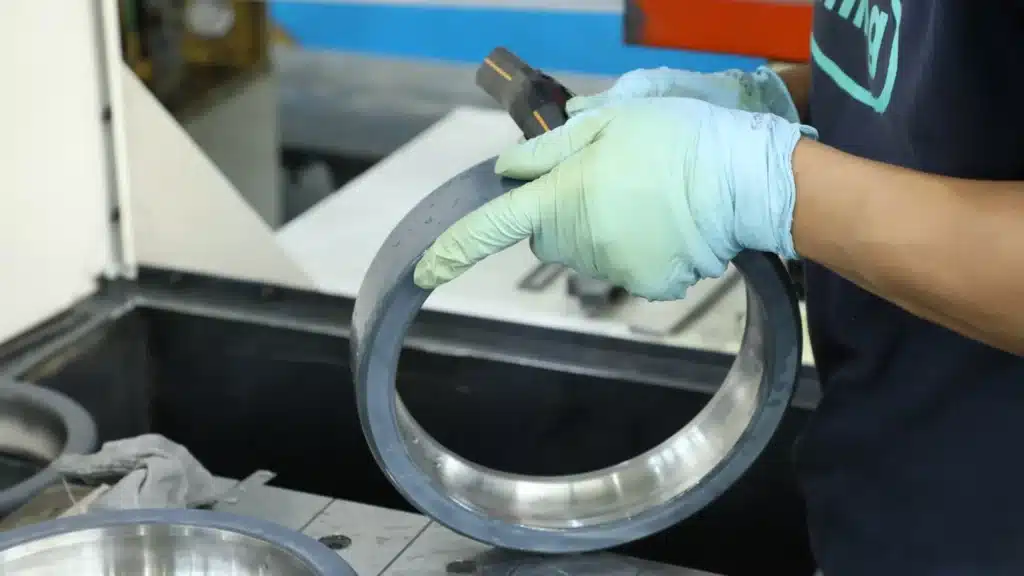
Precision Manufacturing: Insulated Bearings for Machine Tool Motor
Critical to industrial output, machine tools require peak performance. TFL specializes in machine tool motor insulating bearings, delivering effective electrical protection. This significantly enhances reliability and extends service life, ensuring stable and efficient production.
- Home
- »
- Industries
- »
- Machine Tool Motor Insulated Bearings
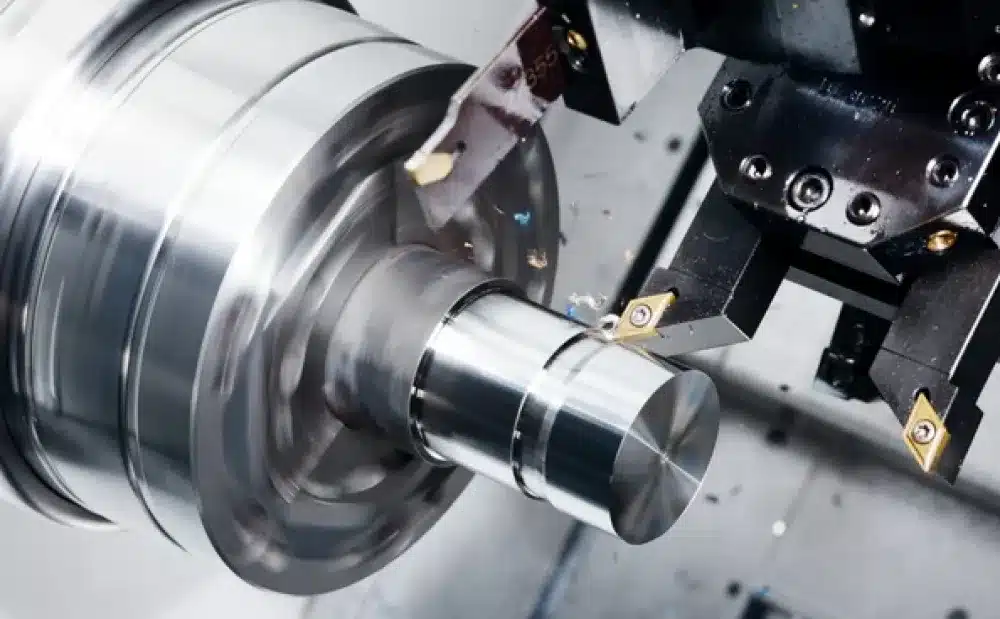
The Unique Challenges of Machine Tool
We offer a variety of electric insulating bearings to choose from. The standard bearing classifications include deep groove ball bearings, cylindrical roller bearings, and tapered roller bearings. We have the standard bearing classifications shown below in stock and can deliver quickly.
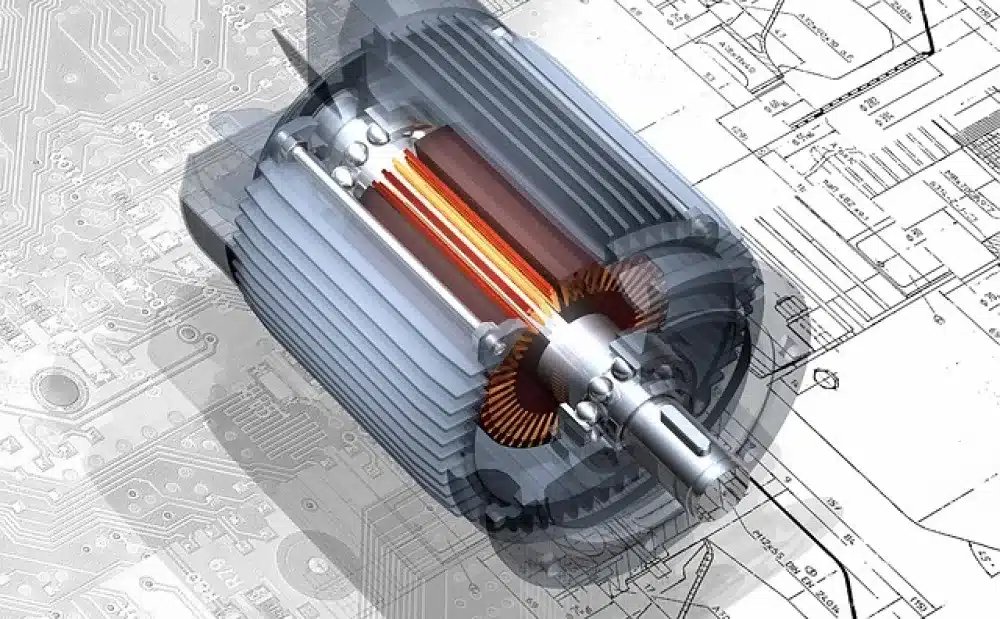
Challenge 1: Electrical Erosion
Problem Description: VFD-driven machine tool motors generate high-frequency pulse voltages, inducing shaft currents. These currents flow through the motor bearings’ raceways and rolling elements, damaging surfaces and grease, leading to machine tool motor failure and downtime.
TFL's countermeasures
- Electrically Insulated Bearings: Feature a special aluminum oxide coating to effectively block current.
- Plasma Spray Coating: Ensures uniform, strong adhesion and stable insulation performance.
- Breakdown Voltage up to 3000V DC: Handles even the most demanding VFD applications.
- Dimensionally Interchangeable: Directly replaces standard motor bearings without design modifications.
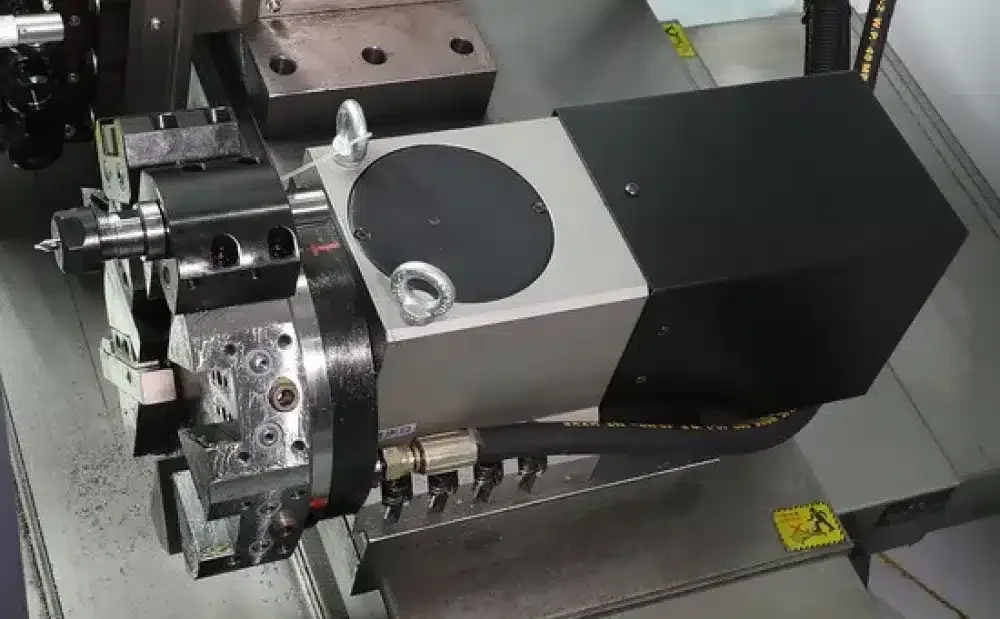
Challenge 2: High Speed / Precision
Problem Description: Precision is a core indicator for machine tool motors, directly impacting processing quality. Machine tool motor bearings must maintain high precision at high speeds; otherwise, overall machining accuracy and yield rate will decrease.
TFL's countermeasures
- Angular Contact Motor Bearings: Optimized design supports higher speeds and rigidity.
- Multiple Precision Grades: Meets stringent machining accuracy requirements from P5 to P2.
Challenge 3: Thermal Deformation
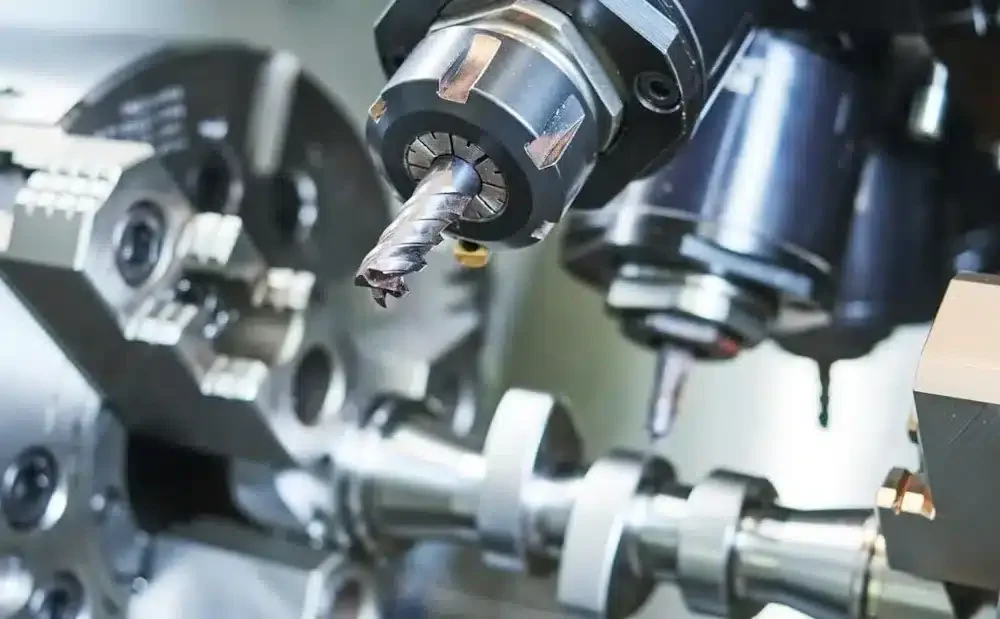
Problem Description: Under high-speed, high-load operation, machine tool motors generate significant heat. This causes changes in motor bearing clearance and precision, accelerating fatigue and reducing bearing life.
TFL's countermeasures
- SUJ2 High-Carbon Chromium Bearing Steel: Allows long-term operating temperatures of 250-300℃.
- Polyurea Grease: Maintains excellent lubrication performance even at extreme temperatures.
- Optimized Internal Design and Clearance: Effectively manages thermal expansion
Challenge 4: Contamination
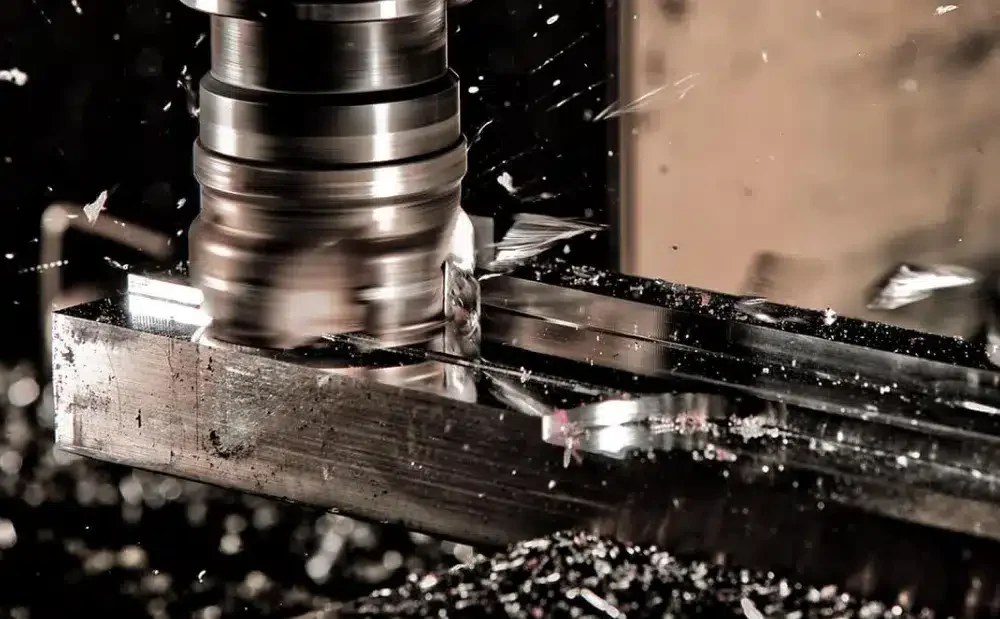
Problem Description: Machine tool motor bearings are often exposed to contaminants like cutting fluids, metal chips, dust, and abrasive particles. Ingress of these contaminants degrades lubricant, accelerates wear on rolling elements and raceways, significantly increasing maintenance costs.
TFL's countermeasures
Common Insulated Bearing Models for Machine Tool Motor
Below is a list of commonly used ISO standard models for machine tool, featuring both inner and outer ring coating options to suit your specific motor design requirements."
| Base Model (ISO) | Dimensions (mm) (d × D × B) |
Interchangeable With (Ref.) | Insulation Type |
|---|---|---|---|
|
6210-C3
Deep Groove Ball
|
50 × 90 × 20 |
SKF: 6210/C3VL0241 FAG: 6210-C3-J20AA |
Outer Ring Coated |
|
6312-C3
Deep Groove Ball
|
60 × 130 × 31 |
SKF: 6312/C3VL0241 FAG: 6312-C3-J20AA |
Outer Ring Coated |
|
NU 214 ECM/C3
Cylindrical Roller
|
70 × 125 × 24 |
SKF: NU 214 ECM/C3VL0241 FAG: NU214-E-M1-C3-J20AA |
Outer Ring Coated |
|
6314-C3
Deep Groove Ball
|
70 × 150 × 35 |
SKF: 6314/C3VL0241 FAG: 6314-C3-J20AA |
Outer Ring Coated |
|
6316-C3
Deep Groove Ball
|
80 × 170 × 39 |
SKF: 6316/C3VL0241 FAG: 6316-C3-J20AA |
Outer Ring Coated |
|
NU 316 ECM/C3
Cylindrical Roller
|
80 × 170 × 39 |
SKF: NU 316 ECM/C3VL0241 FAG: NU316-E-M1-C3-J20AA |
Outer Ring Coated |
|
6319-C3
Deep Groove Ball
|
95 × 200 × 45 |
SKF: 6319/C3VL0241 FAG: 6319-C3-J20AA |
Outer Ring Coated |
|
NU 220 ECM/C3
Cylindrical Roller
|
100 × 180 × 34 |
SKF: NU 220 ECM/C3VL0241 FAG: NU220-E-M1-C3-J20AA |
Outer Ring Coated |
|
6322-C3
Deep Groove Ball
|
110 × 240 × 50 |
SKF: 6322/C3VL0241 FAG: 6322-C3-J20AA |
Outer Ring Coated |
* Disclaimer: Original Equipment Manufacturer (OEM) names and part numbers (e.g., SKF, FAG) are listed for reference and compatibility purposes only. TFL Bearings is an independent manufacturer.
Why Choose TFL for Traction Motors
We integrate patented technology, stringent quality control, and supply chain efficiency to deliver unmatched reliability and value to our partners.
More Than Standard Products: Flexible Custom Solutions
Whether you require the development of special-sized bearings or need insulation coating services for your existing ones, our technical team provides comprehensive support from design to flexible production, responding quickly to your unique needs.

Typical Applications
We provide proven insulated bearing solutions that ensure both complete electrical protection and optimal mechanical performance, enhancing the longevity and reliability of your machinery in any industrial environment.

Bearings For Railway Transportation
TFL’s insulated bearings, with robust aluminum oxide ceramic coatings, are vital for railway traction motors. They establish a powerful dielectric barrier, effectively blocking damaging shaft currents from Variable Frequency Drives (VFDs), thus preventing electrical erosion and premature equipment failure.
By safeguarding these critical components, our bearings significantly enhance the safety, reliability, and uptime of modern railway systems. As a trusted supplier, we provide proven solutions designed for the rigorous demands of daily rail operation.
Hot Market
- Special Insulated Bearings for Traction Motors
- High Resistance to Shock & Vibration
- Hybrid Ceramic Bearing Options

Bearings For Wind Power
Wind power is cornerstone of sustainable energy vital for combating climate change and the one solution to energy
issues such as the prevention of global warming.
Given the substantial maintenance costs and extended downtime associated with these large, eco-friendly systems, our bearings offer indispensable protection. By creating a robust dielectric barrier, they ensure the stable, reliable, and continuous operation of wind turbines, significantly reducing maintenance interventions and supporting a greener, more efficient energy future.
Hot Market
- Main Shaft & Generator Bearings
- High-Reliability & Long-Life Design
- Coating for Harsh Environments
Bearings For Industrial Motor
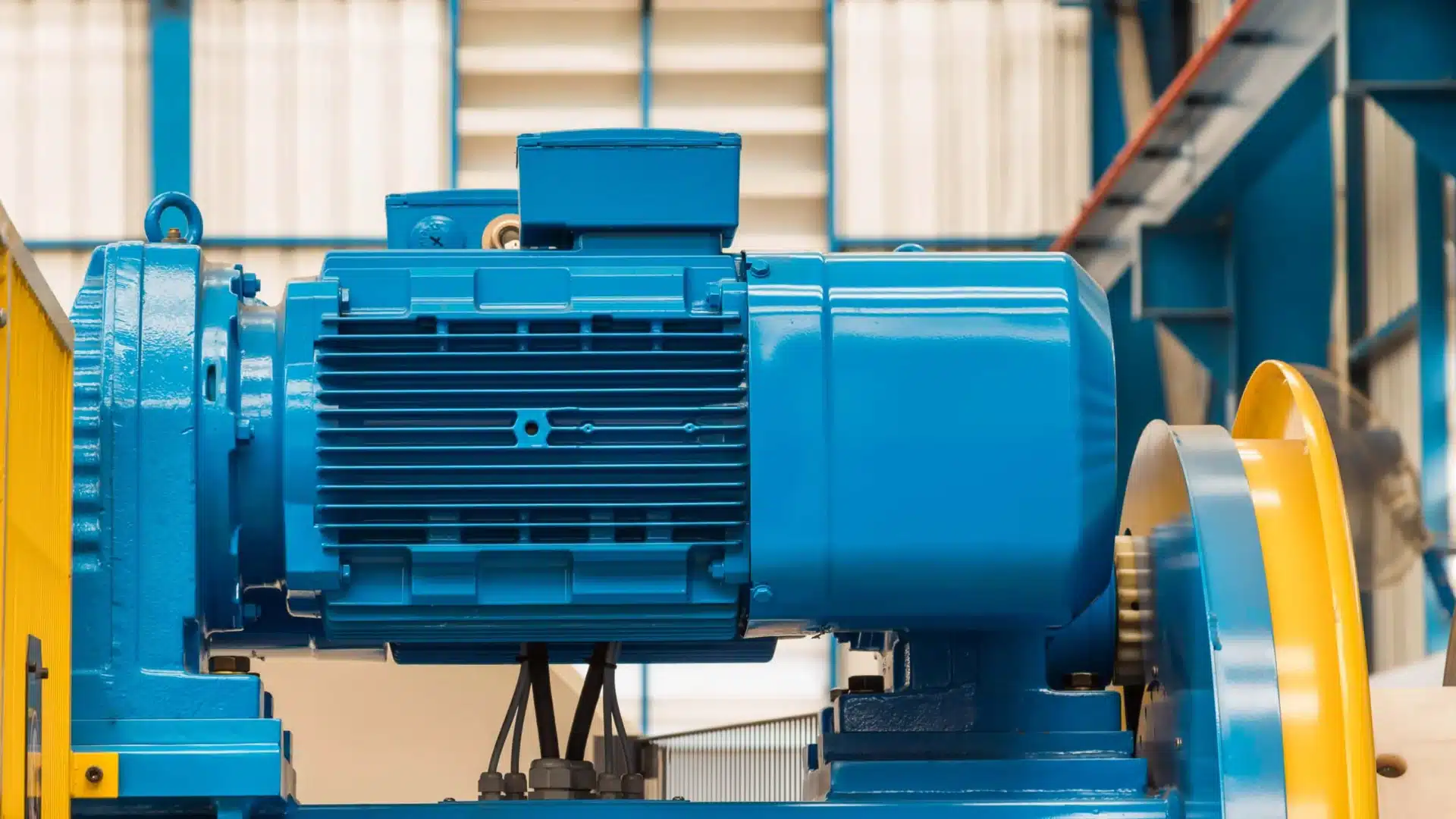
Industrial motors are the undisputed heart of productivity, driving essential processes across nearly every sector. However, modern Variable Frequency Drives (VFDs) generate damaging shaft currents that threaten motor longevity and reliability.
TFL’s insulated bearings offer critical protection, establishing a robust dielectric barrier. This prevents electrical erosion and premature failure, ensuring consistent, long-term performance of these vital machines. By safeguarding the ‘heart’ of your operations, our bearings significantly reduce unplanned downtime, cut maintenance costs, and enhance operational efficiency and motor lifespan.
Hot Market
- Insulation Protection for VFD Motors
- Insulated Deep Groove Ball Bearings
- Insulated Cylindrical Roller Bearings
Bearings For Industrial Pumps & Fans
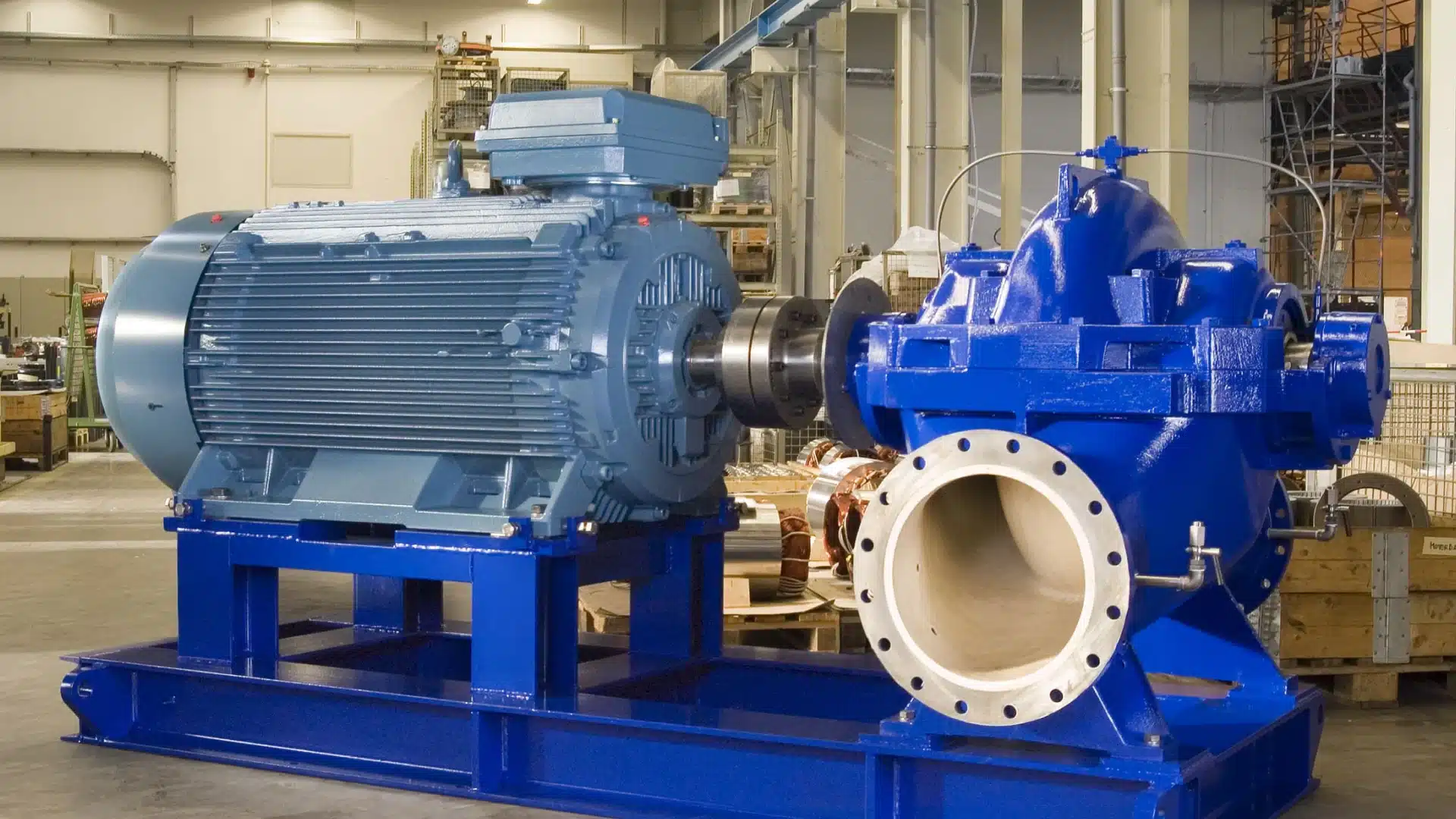
For VFD-driven industrial pumps and fans where stray currents threaten reliability, our insulated bearings are the proven solution. They feature a specialized dielectric coating that safely interrupts the electrical path, preventing catastrophic bearing failure and costly downtime. This makes our bearings a fundamental component for ensuring the safe, continuous operation of your most vital systems.
Hot Market
- Preventing Premature Failure from Shaft Currents
- Reducing Maintenance Frequency & Costs
- Standard Dimensions for Easy Replacement

Bearings For Mining Industry
The mining industry is foundational, providing essential raw materials that underpin modern infrastructure and technology. Operations involve colossal, heavy-duty machinery in harsh, often remote environments, demanding exceptional safety standards and continuous production. These demanding conditions, coupled with the high cost and risk of maintenance, make equipment reliability paramount.
TFL’s insulated bearings offer a critical safeguard, specifically engineered for the mining sector. They create a robust dielectric barrier, effectively blocking damaging shaft currents generated by Variable Frequency Drives (VFDs), which otherwise lead to electrical erosion and premature equipment failure. This ensures the stable and uninterrupted operation of vital mining equipment, significantly reducing costly downtime, enhancing worker safety, and sustaining productivity in the most challenging conditions.
Hot Market
- For Excavator, Crusher & Conveyor Motors
- Design for High Contamination & Shock Loads
- Enhancing Equipment Reliability in Harsh Environments

Bearings For Oil & Gas Industry
We utilize a robust aluminum oxide coating to provide superior electrical insulation in our bearings. This is vital for Oil & Gas operations, where stray currents from VFDs can cause sparks and lead to catastrophic failure in potentially explosive atmospheres. As a dedicated partner, we deliver insulated bearings that enhance equipment safety and maximize uptime for your critical machinery.
Hot Market
- For Pumps, Compressors & Drilling Motors
- Ensuring Continuous Operation of Mission-Critical Equipment
- Optional Coatings for Corrosive & High-Temp Environments
General FAQ
Find quick answers to common inquiries about our technology, product compatibility, and ordering process.
CNC machines use fast motors controlled by VFDs (like a dimmer switch for a light). These VFDs can cause electricity to build up in the motor shaft. If the bearings aren't special, the electricity can damage them, making the machine less accurate. Our insulated bearings stop the electricity from hurting the machine.
Yes, absolutely. Our bearings are designed to be exact replacements ("drop-in replacements") for major brands like SKF, FAG, NSK, and NKE. You don't need to change anything on your motor or machine.
To help you find the right part quickly, we have a special tool for you. You can simply look up your current part number to find our matching model.
👉 [Click here to visit our Model Cross-Reference Page] to find your exact match now.
We offer benefits over big brands:
Save Money: Our bearings can lower your costs by 30-40%.
Custom Orders: We can make bearings with special grease, seals, or clearances to match your motor.
Reliable Supply: We have a stable supply, so you won't have to wait a long time to get them.
Machines shake! Our insulation is applied with a special process to make it super strong. It won't peel or crack, even when the machine is running hard. Our bearings prevent electric damage.
Insulated Motor Bearings in Machine Tools
Insulated bearings for machine tool motors are high-precision components (ISO P4/P2 class) featuring a plasma-sprayed ceramic oxide coating. Designed specifically for VFD-driven CNC spindles and servo motors, they block stray electrical currents (shaft voltages) to prevent bearing fluting, ensuring long-term reliability without compromising high-speed runout accuracy.
Is there anything more frustrating for a CNC maintenance manager than a high-speed spindle failing just months after a rebuild?
You hear that characteristic high-pitched whine. You see the vibration levels on the HMI creeping up. And you know exactly what’s coming: unplanned downtime, expensive repairs, and halted production lines.
In the era of modern machining, Variable Frequency Drives (VFDs) are essential for efficiency, but they are also the silent killers of standard bearings. The solution isn’t just “insulation”—it is insulation that meets precision.
In this engineering guide, we will reveal:
- Why VFDs destroy standard spindle bearings in record time.
- The critical difference between a generic insulated bearing and a “Machine Tool Grade” insulated bearing.
- How we maintain P4 tolerances even after applying a 100µm ceramic coating.
- Real-world ROI data from spindle repair shops.
The Hidden Killer of CNC Spindles: VFD-Induced Electrical Erosion
To understand why your machine tool motors are failing, we first need to look at the physics of the drive system. Modern CNC machines rely heavily on Pulse Width Modulation (PWM) drives to control speed and torque with extreme precision. However, this technology comes with a parasitic side effect: Common Mode Voltage.
The Physics: How PWM Drives Create Shaft Voltages
Because the switching frequency of modern IGBTs is so fast, it generates high-frequency currents that couple capacitively between the stator and the rotor. The motor shaft acts as a capacitor plate. When the voltage on the shaft exceeds the dielectric strength of the lubricant film in the bearing (usually between 10V and 30V), it discharges.
This discharge is essentially a microscopic arc weld. It blasts a tiny crater into the raceway and melts the steel ball surface. This phenomenon is technically known as Electric Discharge Machining (EDM) effect.
Identifying the Symptoms: Fluting and Noise
At first, the damage is invisible. But as thousands of micro-arcs occur every second, the lubricant degrades (often turning black due to carbonization), and the craters align into a rhythmic pattern across the raceway.
This pattern is called Fluting (or “washboarding”).
Once fluting forms, the bearing becomes a noise generator. In a precision grinding machine or a high-speed milling center, this vibration translates directly into poor surface finish on your workpieces. If you are seeing chatter marks on your parts and hearing a “whining” noise from the motor, electrical erosion is the likely culprit.

Technical Breakthrough: Insulation Without Compromising Precision
Here is the problem that most bearing suppliers won’t tell you: Standard insulated bearings are often not precise enough for machine tool spindles.
In general industrial applications (like pumps or fans), a standard tolerance (ISO P0 / ABEC-1) is acceptable. But a CNC spindle spinning at 12,000 or 20,000 RPM requires ISO P4 (ABEC-7) or even P2 (ABEC-9) precision. Adding a ceramic coating to the outer ring introduces a variable that can destroy these tight tolerances if not controlled perfectly.
The Conflict: Coating Thickness vs. Dimensional Tolerance
A typical electrical insulation layer (Aluminum Oxide, Al2O3) is sprayed onto the bearing surface using plasma technology. If this layer is uneven by even a few microns, it acts like an “out-of-round” shim. When you press this bearing into a high-precision spindle housing, the outer ring deforms, ruining the runout accuracy.
Our Process: Plasma Spraying + Post-Coat Precision Grinding
We solve this challenge through a proprietary dual-stage manufacturing process specifically for Machine Tool Grade bearings:
- Stage 1: High-Density Plasma Spraying. We apply a robust ceramic coating (typically 100µm to 200µm thick) that provides electrical resistance of >50MΩ at 1000V DC.
- Stage 2: Post-Coat Precision Grinding. This is the game-changer. Unlike budget manufacturers who leave the coating “as-sprayed,” we re-grind the coated surface. We treat the ceramic layer as an integral part of the bearing material, grinding it down to achieve the final P4 dimension and surface finish.
💡 Jessica Jia’s Expert Insight
“Don’t ignore the thermal conductivity.” One concern engineers often have is heat dissipation. While ceramic is a thermal insulator, the layer on our bearings is thin enough (approx. 100-200 microns) that it does not significantly impede heat transfer from the bearing to the housing. For high-speed spindles, however, we always recommend checking the housing fit. Because the ceramic coating is harder and less elastic than steel, we suggest aiming for the looser side of the recommended ISO fit tolerance (e.g., H6 instead of J6) to avoid crushing the coating during installation.
Evidence: CMM Inspection Data
We don’t just claim precision; we prove it. Every batch of our insulated spindle bearings undergoes 100% inspection on a Coordinate Measuring Machine (CMM). The key metric we watch is VDsp (Variation of outside diameter).
For a standard 100mm outer diameter bearing, the ISO P4 tolerance allows for a variation of only 5µm. Our post-grinding process consistently holds the coated diameter within a 3µm variance, ensuring that the insulation layer has zero negative impact on the spindle’s rotational accuracy.

Product Series: 100% Interchangeable Insulated Solutions
We specialize in the four most critical bearing types for industrial motors and machine tool auxiliary systems. Our production line is calibrated to match global standards, meaning our part numbers and dimensions are 100% interchangeable with SKF INSOCOAT® bearings. You can replace your existing worn-out bearings without any modifications to the housing or shaft.
Insulated Deep Groove Ball Bearings (62xx / 63xx Series)
The workhorse of the electric motor industry. These are widely used in:
- Servo Motors: Protecting the encoder and bearings from high-frequency PWM noise.
- Spindle Rear Bearings: Acting as the floating bearing in CNC spindles to accommodate thermal expansion while blocking shaft currents.
- Auxiliary Motors: Hydraulic pumps and coolant pump motors on CNC machines, which are often VFD-driven and prone to neglect.
Insulated Cylindrical Roller Bearings (NU / N Series)
Designed for heavy radial loads on the drive end (DE) of larger traction or spindle motors. Our NU series allows for axial displacement, making them ideal for the non-locating position in high-load setups.
Insulated Tapered & Spherical Roller Bearings
For heavy-duty machine tool applications, such as large rotary tables or heavy milling heads, we offer:
- Tapered Roller Bearings: Handling combined radial and axial loads.
- Spherical Roller Bearings: Correcting misalignment in heavy drive shafts.
✅ Drop-In Replacement Guarantee
Our nomenclature follows the industry-standard SKF system. If your maintenance manual calls for an SKF part, our bearing is a direct dimensional and functional equivalent.
Example: If you need a 6316 M/C3VL0241, our part number is identical. The “VL0241” suffix indicates the exact same insulation spec (Aluminum Oxide coating on the outer ring).
| Coating Suffix (SKF Compatible) | Insulation Location | Breakdown Voltage | Typical Application |
|---|---|---|---|
| VL0241 | Outer Ring | 1,000V DC | Standard VFD Motors (Most Common) |
| VL0246 | Outer Ring | 3,000V DC | High Voltage / Railway Traction |
| VL2071 | Inner Ring | 1,000V DC | Outer Ring Rotating Applications |
Precision Where It Matters: P4/P5 Class Availability
While standard insulated bearings are often P0 (Normal) class, we understand that machine tool applications demand more. We offer Precision Class (P5 and P4) upgrades for our Deep Groove and Cylindrical Roller series.
This is critical for the “Rear Bearing” position in a spindle. Even though it is not the primary load bearer, a low-precision rear bearing can introduce vibration into the entire spindle shaft. Our post-coat grinding process ensures that even our insulated ball bearings maintain tight radial runout tolerances necessary for CNC operations.
Case Study: 300% Lifespan Increase for a Spindle Repair Shop
The Challenge: A spindle repair specialist in Ohio was facing a recurring issue with a Fanuc spindle motor used in an automotive die-mold shop. The original steel bearings were failing every 3-4 months due to severe electrical fluting, caused by an older generation VFD system with high carrier frequencies.
The Retrofit Solution: We replaced the standard rear 6212 ball bearing and the front NU212 roller bearing with our VL0241 (1000V) Insulated Series. No changes were made to the housing dimensions or the VFD settings.
The Result:
- Lifespan: The new bearings have been running for over 14 months (and counting) with no increase in vibration levels.
- Savings: The end-user saved approximately $4,500 in downtime and repair labor costs in the first year alone.
- Customer Feedback: “The P4 precision of these insulated bearings meant we didn’t have to re-grind the housing. They dropped right in and ran quiet immediately.”
Does the insulation coating affect the bearing’s heat dissipation?
No. Although ceramic is a thermal insulator, the coating layer is extremely thin (approx. 100-200 microns). Heat generated by the rolling elements easily transfers through the coating to the housing. There is no need to derate the motor.
Can I use insulated bearings on both ends of the motor?
Yes, but it is often unnecessary. For most AC motors, insulating the non-drive end (NDE) is sufficient to break the current loop. However, for high-frequency VFD applications involving large rotors, or where high shaft voltages are present, we recommend insulating both the Drive End (DE) and Non-Drive End (NDE) to fully isolate the rotor.
What is the lead time for custom P4 insulated bearings?
We stock common sizes (like 62xx, 63xx, NU2xx) in insulated versions. For specialized high-precision spindle bearings (70xx/72xx series), our coating and re-grinding process typically takes 2-3 weeks, significantly faster than the 12+ week lead time from major European brands.
Stop VFDs From Killing Your Spindles
Don’t let electrical erosion compromise your machining precision. Upgrade to P4-class insulated bearings that are built for the CNC environment.
Get a Quote & Technical Drawing
Available in 70xx, 72xx, N, and NU Series. 100% CMM Inspected.