- Home
- »
- Product categories
- »
- Insulated Bearings for Electric Motors

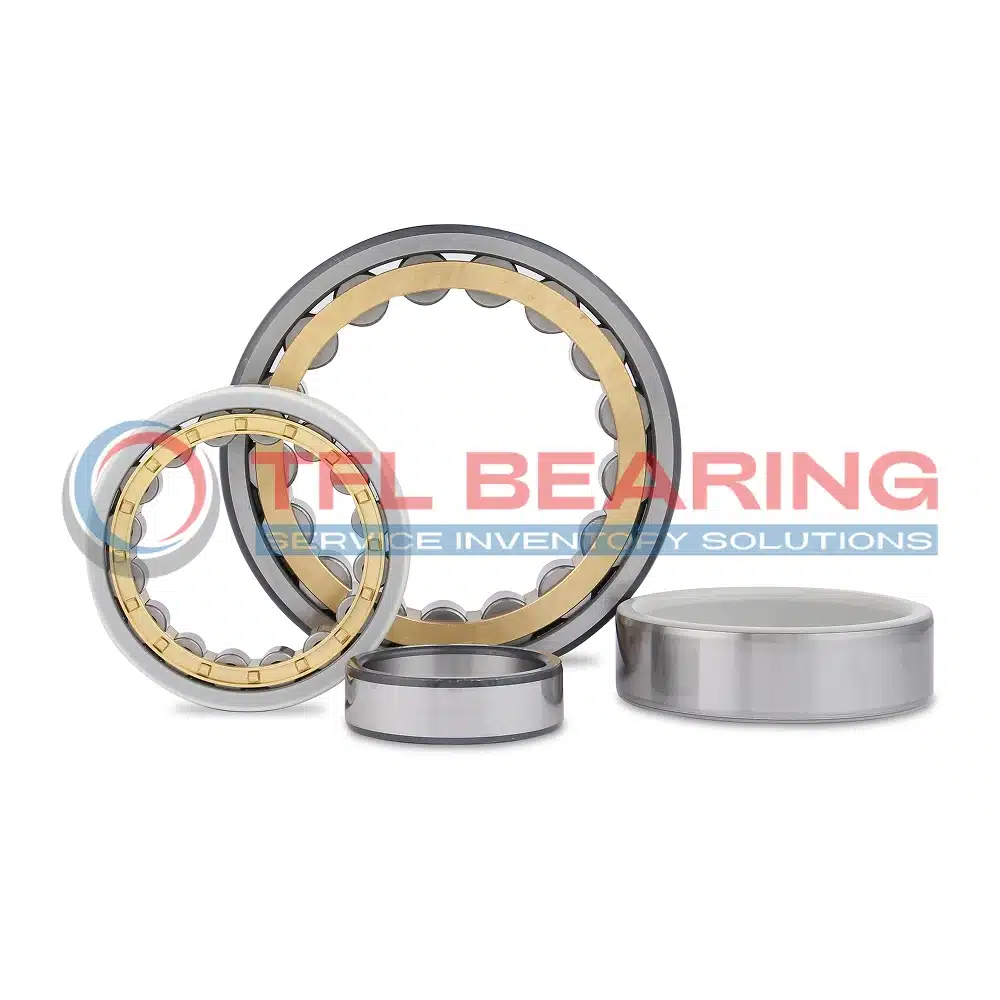
Insulated Bearings for Electric Motors
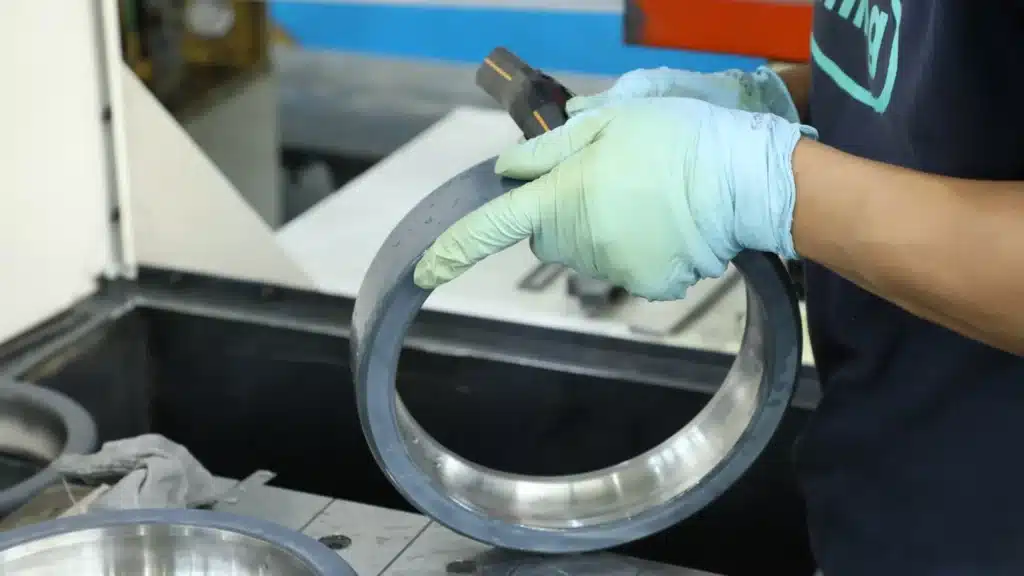
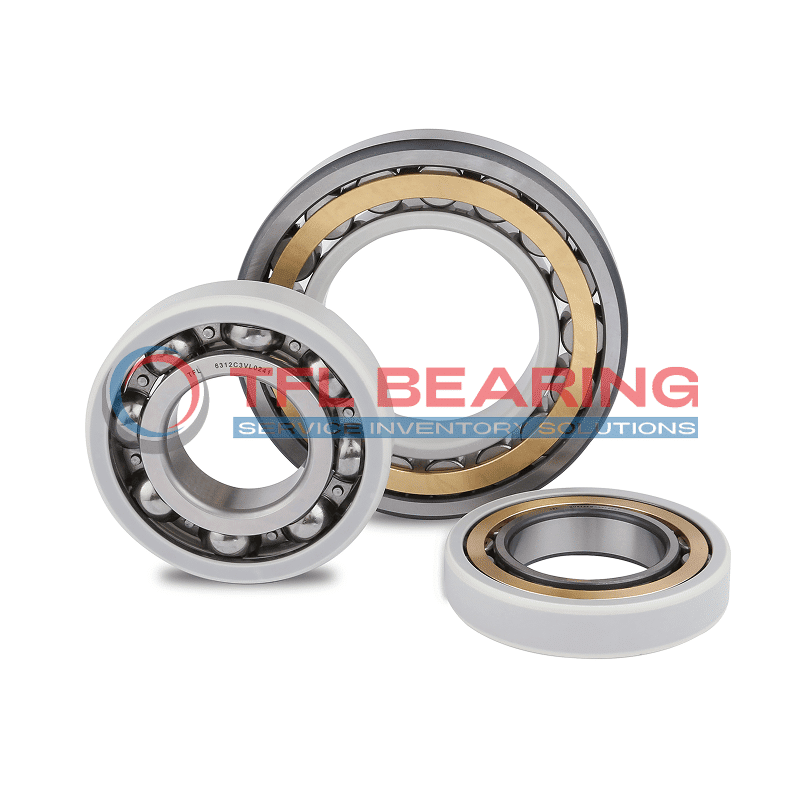
Motors are the core power of your facility, but stray currents shouldn’t be the cause of their downfall. TFL delivers robust insulated bearings that offer the exact same performance as premium European and Japanese brands, but with the service and flexibility your business deserves.
Protect your motor’s lifespan with TFL—where industrial-grade durability meets expert engineering.
- Seamless Integration: 100% ISO-standard dimensions for a drop-in replacement that instantly extends maintenance cycles.
- Proven Quality: Our industry-leading insulation standards and patented processes ensure zero-defect performance.
- Partner-Centric Service: Experience the TFL difference: One-stop sourcing, lower MOQs, and tailored OEM solutions that big brands can't match.
- Seamless Drop-in Replacement: Whether you are currently using standard steel bearings or premium insulated models from brands like SKF, FAG, or NTN, TFL bearings are 100% interchangeable. Manufactured strictly to ISO international standards, our products require zero modifications to your motor housing or shaft—just a simple, worry-free swap.
-
Advantage
Popular Models
Our Products
Q&A
Learn More
Why Choose Insulated Motor Bearings?
VFD-driven electric motors generate stray currents that cause bearing fluting and early failure. Our insulated bearings block these currents to protect your equipment.
| Specification / Feature | Standard Steel Bearings | ★ Electrically Insulated (Al2O3) | Customer Benefit |
|---|---|---|---|
| Electrical Resistance | ✕ Negligible (Conductive) | ✓ >100 MΩ (at 500V/1000V DC) | Reliability Blocks stray currents |
| EDM Protection (VFD) | ✕ None (Prone to fluting/pitting) | ✓ Excellent (Up to 3000V DC) | Safety Prevents early failure |
| Service Life | Short & Unpredictable | ✓ Significantly Extended | Duration Longer maintenance intervals |
| Maintenance Cost | High (Frequent unplanned downtime) | ✓ Low (Scheduled only) | High ROI Lower Total Cost of Ownership |
| Initial Investment | Low (Standard choice) | Premium (Advanced coating) | Pays for itself by avoiding 1 repair |
| Dimensions & Fitting | ISO Standard | ISO Standard (100% Drop-in) | Easy Fit No motor modification needed |
| Vibration & Noise | Increases rapidly after EDM damage | ✓ Stable & Low (Z3V3 Grade) | Quality Quiet motor operation |
Electric Motor Bearing Model Reference Table
Using ABB motors as an example below, we offer drop-in insulated upgrades for most global motor brands. Contact our team to match your specific motor model.
|
Motor Frame Size
|
Number of Poles
|
Drive End (DE) - Standard
|
Non-Drive End (NDE) - Insulated
|
|---|---|---|---|
|
315 |
2 |
6316/C3 |
6316/C3/VL0241 (Equiv: J20AA) |
|
315 |
4 - 12 |
6319/C3 or NU 319/C3 |
6316/C3/VL0241 (Equiv: J20AA) |
|
355 |
2 |
6316M/C3 |
6316M/C3/VL0241 (Brass Cage) |
|
355 |
4-12 |
6322/C3 or NU 322/C3 |
6316/C3/VL0241 (Equiv: J20AA) |
|
400 |
2 |
6317M/C3 |
6317M/C3/VL0241 (Brass Cage) |
|
400 |
4-12 |
6324/C3 or NU 324/C3 |
6319/C3/VL0241 (Equiv: J20AA) |
|
450 |
2 |
6317M/C3 |
6317M/C3/VL0241 (Brass Cage) |
|
450 |
4-12 |
6326M/C3 or NU 326/C3 |
6322/C3VL0241 (Equiv: J20AA) |
Disclaimer: The bearing configurations listed above represent a partial selection of common motor models and are provided for reference purposes only. Actual bearing requirements may vary significantly depending on specific operating environments, load conditions, and customized motor specifications.
Please verify with your motor’s original nameplate or contact our technical team for precise model matching and customized solutions.
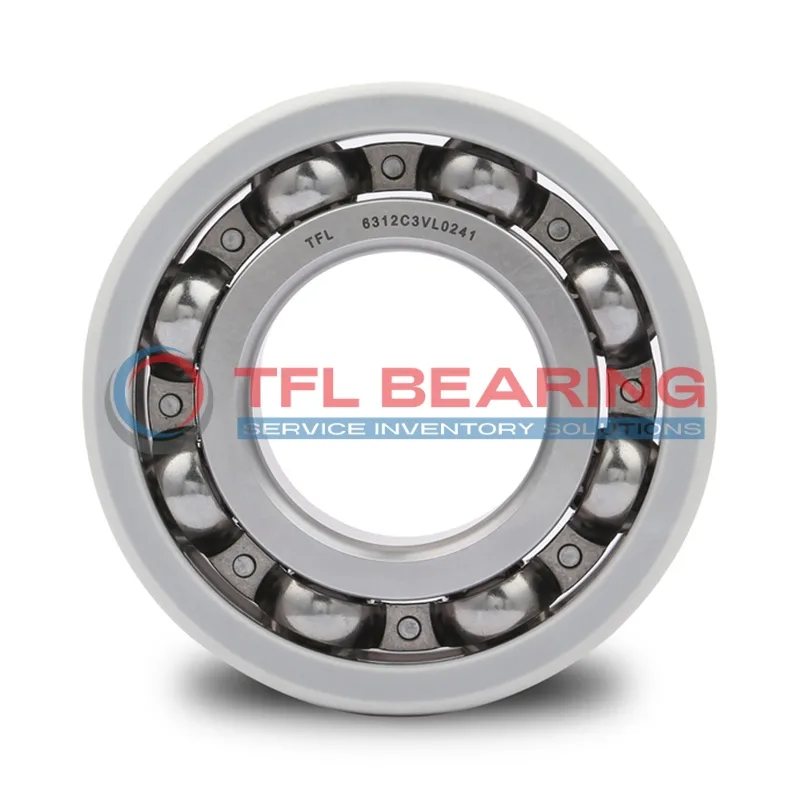
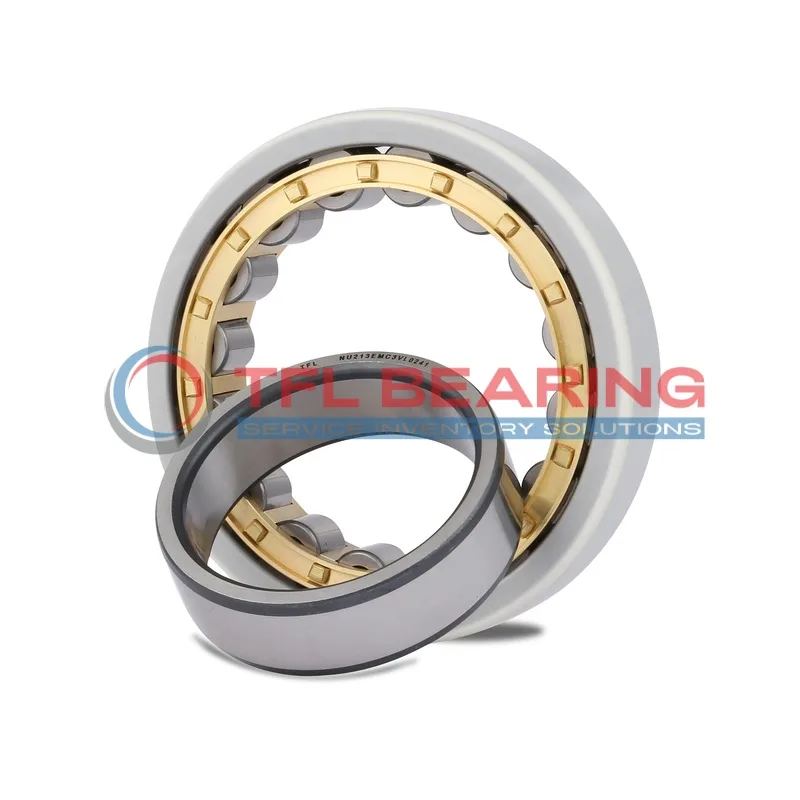
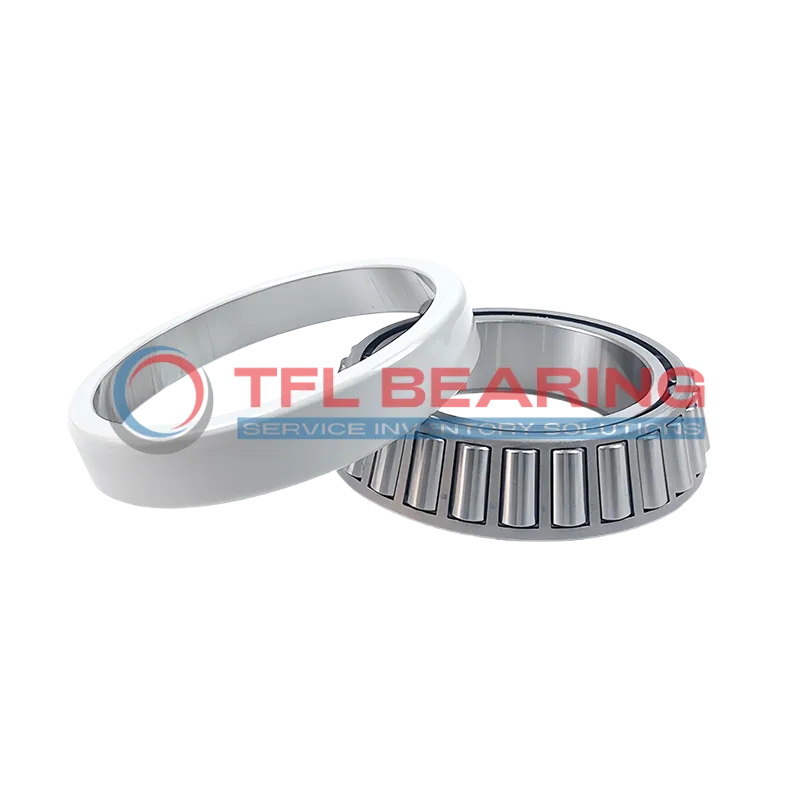
Explore Our Insulated Bearings for Motors
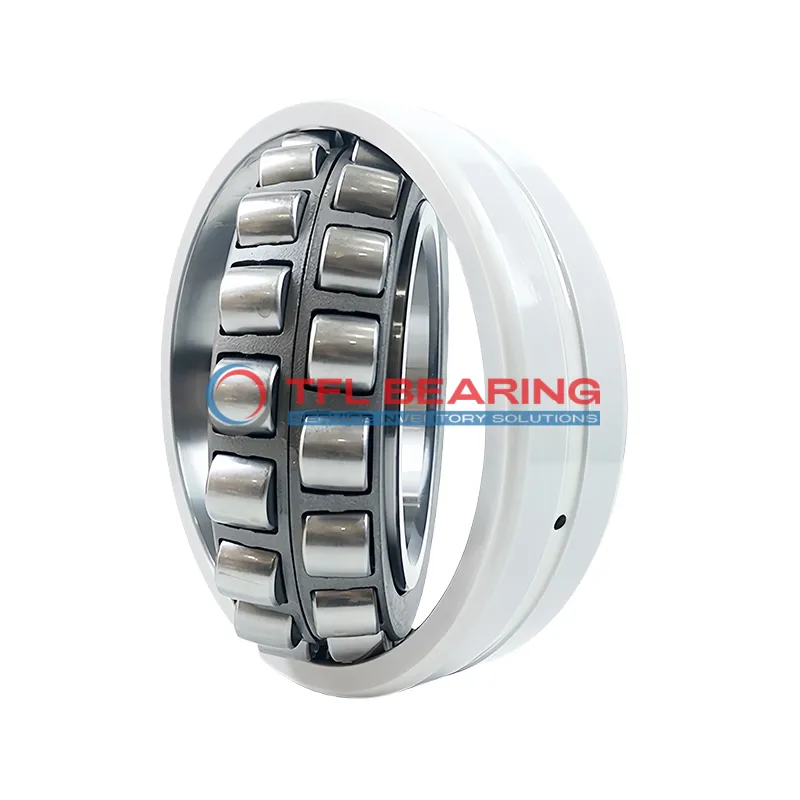
Discover our premium Al2O3 coated bearings. Designed as 100% interchangeable alternatives to major brands, ensuring high resistance and reliable motor performance.
Our experts are here to help.
If you are unsure which bearing model is best for your application, or if you cannot find a specific model in our online catalog, please contact us directly. We offer comprehensive technical consulting, application analysis, and customized manufacturing services to ensure you get the perfect insulated solution for your motor.

Maximize Your ROI by Preventing EDM
Don't let cheap standard bearings cost you thousands in unplanned downtime. Investing in insulated bearings eliminates EDM damage and drastically lowers maintenance costs.
Quality Assurance

General FAQ
Find quick answers to common inquiries about our technology, product compatibility, and ordering process.
Standard motor bearings often fail prematurely in VFD-driven systems due to stray electrical currents (EDM). Using an insulated bearing for motor applications provides a high-resistance alumina coating that blocks these currents. This prevents "fluting" and "pitting" on the raceways, significantly extending the service life of your electric motor bearings and reducing unplanned downtime.
In most standard industrial setups, the insulated bearing for motor protection is installed at the Non-Drive End (NDE). This effectively breaks the electrical circuit and prevents shaft currents from flowing through the bearings to the ground. For very large motors or high-voltage applications, our technical team can help analyze if your bearing motor configuration requires insulation at both ends.
Yes, absolutely. Our motor bearings are manufactured strictly to ISO global standards. This means they are 100% "drop-in" replacements for OEM parts used by brands like ABB, Siemens, and WEG. They maintain the same boundary dimensions as standard motor bearings, so you can upgrade to an insulated solution without any modifications to the motor housing or shaft.
Our online catalog represents only a portion of our most popular electric motor bearings. If you cannot find the specific motor bearing you need, please contact us directly. We provide professional consulting and can identify the correct replacement based on your motor's nameplate, dimensions, or specific operating conditions. We also offer customized analysis and bespoke manufacturing for non-standard requirements.
While the initial cost of an insulated bearing for motor is higher than a non-insulated one, the Return on Investment (ROI) is significant. By eliminating the leading cause of bearing failure in modern motors—electrical erosion—you save on frequent replacement parts, labor costs, and the massive production losses associated with motor failure. Our motor bearings are designed to ensure your equipment runs reliably for its full intended design life.
More About Insulated bearing for motor
Maximize motor uptime and stop electrical erosion with our premium >3000V DC coated insulated bearings.
Top-quality motor bearings, especially electrically insulated ones, are the critical foundation for industrial motor longevity. As a premier electrically insulated motor bearings supplier, TFL provides reliable, drop-in replacement solutions designed to eliminate electrical erosion and maximize VFD motor uptime across the North American market.
Are you tired of unexpected motor failures and forced downtime? Whether you are assembling new motors or handling MRO (Maintenance, Repair, and Operations), choosing the wrong bearing often leads to catastrophic, unplanned outages. This is especially true when using Variable Frequency Drives (VFDs), where standard bearings can fail in just a few months.
Finding a professional motor bearing supplier who understands technical sizing and application specifics will save you thousands of dollars in trial-and-error costs.
In this comprehensive guide, we will reveal:
- The fundamental selection logic for industrial motor bearings.
- The specific conditions that make electrically insulated bearings an absolute necessity.
- The critical criteria for evaluating and choosing a trustworthy bearing supplier.
Motor Bearing Fundamentals: From Standard to Specialized Applications
Before diving into advanced solutions, we must understand the baseline. Electric motors rely heavily on specific bearing designs to manage friction, support loads, and ensure smooth rotor rotation.
The Most Common Bearing Types in Electric Motors
Not all bearings are created equal. For standard industrial motors, engineers typically rely on two primary configurations based on the load requirements:
- Deep Groove Ball Bearings: These are the workhorses of the motor industry. They excel at handling high rotational speeds and moderate radial and axial loads, typically installed on the drive end (DE).
- Cylindrical Roller Bearings: When dealing with heavy-duty applications or high radial loads—such as in large industrial fans or belt-driven systems—these bearings provide the necessary structural support.
For decades, these standard carbon steel or chrome steel bearings were sufficient. However, modern motor control technologies have changed the rules of the game.
The Limitations of Standard Motor Bearings
Standard bearings have a fatal flaw in today’s automated landscape: they are excellent electrical conductors.
When a motor is connected straight to the power grid, standard bearings perform perfectly. But the modern industrial world demands precise speed control, leading to the massive adoption of Variable Frequency Drives (VFDs) and inverters.
Standard bearings cannot block the high-frequency voltages generated by these drives. They become the path of least resistance for stray currents to ground, turning a mechanical component into an unintended electrical circuit. This limitation makes standard bearings obsolete for modern, VFD-driven electric motors.

The VFD Era Imperative: Why You Need Electrically Insulated Bearings
Here is the hard truth.
Upgrading to a VFD (Variable Frequency Drive) saves energy and improves process control, but it introduces a hidden killer to your standard bearings: high-frequency stray currents.
Unmasking the Culprit: Electrical Erosion and “Fluting”
Think of it like miniature lightning strikes happening thousands of times per second inside your motor.
When the VFD generates common-mode voltages, the current looks for the easiest path to ground. Unfortunately, that path is often straight through the motor shaft, across the very thin layer of bearing lubricant, and into the bearing housing.
When the voltage exceeds the dielectric strength of the grease, an electrical arc occurs. This phenomenon is known as electrical erosion. Over time, these micro-sparks cause catastrophic damage:
- Pitting: Microscopic craters melted into the raceway surface by the electrical arcs.
- Fluting (Washboard Pattern): Continuous arcing creates rhythmic, washboard-like ridges on the inner and outer rings, causing severe vibration and a distinct “whining” noise.
- Lubricant Degradation: The intense heat from the arcs literally burns the grease, turning it black and destroying its lubricating properties.
Expert Insight from Jessica Jia (Chief Technical Advisor): “Most maintenance teams only notice electrical erosion when the motor starts screaming with vibration. But the earliest warning sign is actually the grease. If your standard bearing grease turns dark, stiff, and smells burnt within just a few months of VFD operation, you have a stray current problem. That’s your cue to switch to insulated bearings immediately.”
Sizing Radar: Which Motors ABSOLUTELY Need Insulated Bearings?
Do you need to replace every single bearing in your plant? No.
However, specific applications require electrically insulated bearings to prevent premature, catastrophic failure. Based on industry standards and field experience, you must upgrade your bearings in these scenarios:
- VFD-Driven Motors over 100 HP (75 kW): The larger the motor, the higher the induced shaft voltage. Insulation on the non-drive end is mandatory.
- Wind Turbine Generators: Highly susceptible to severe stray currents and incredibly expensive to repair due to their remote locations.
- Railway Traction Motors: Subjected to harsh electrical environments and constant variable speeds.
- Any motor experiencing chronic, unexplained bearing failures within 3 to 6 months of VFD installation.
By breaking the electrical circuit with a ceramic-coated insulated bearing, you force the current to find another path to ground, completely protecting the rolling elements and raceways.

Sizing Guide: How to Match the Right Insulated Bearing for Your Motor
Let’s get practical.
Knowing you need an insulated bearing is only half the battle. Selecting the exact right component ensures a seamless upgrade without requiring expensive modifications to your motor housing or shaft.
Size and Compatibility: True 1:1 Drop-in Replacements
The best upgrade is one you barely notice during installation.
Our electrically insulated bearings are engineered to exact ISO dimensional standards. This means they share the identical boundary dimensions (inner diameter, outer diameter, and width) as standard non-insulated bearings.
Whether your facility operates on North American NEMA frames or European IEC standard motors, the transition is flawless. You simply remove the damaged standard bearing and press the insulated one directly into its place.
Placement Strategy: Drive End (DE) vs. Non-Drive End (NDE)
Where exactly should you install the insulated bearing?
This is a common point of confusion for MRO teams. The goal is to break the stray current loop, and doing it efficiently saves money.
- Medium Motors (up to 100 HP / 75 kW): Generally, installing a single electrically insulated bearing on the Non-Drive End (NDE) is sufficient to break the electrical circuit and protect the entire motor.
- Large Motors (over 100 HP) or Critical Applications: Engineers often recommend insulating both the DE and NDE, or pairing an NDE insulated bearing with a shaft grounding ring on the DE for maximum protection against both high-frequency circulating currents and shaft grounding currents.
Finding Premium Alternatives: The VL0241 Replacement
Are you currently paying a massive premium for big-brand insulated bearings?
Many procurement managers are locked into specifying expensive suffix codes like VL0241 (Aluminum Oxide coating on the outer ring) simply out of habit. However, you don’t need to overpay for reliable dielectric protection.
As a specialized electrically insulated motor bearings supplier, TFL provides direct, high-performance alternatives that meet or exceed these exact industry benchmarks.
| Standard Specification | TFL Equivalent Solution | Key Benefit for Procurement |
|---|---|---|
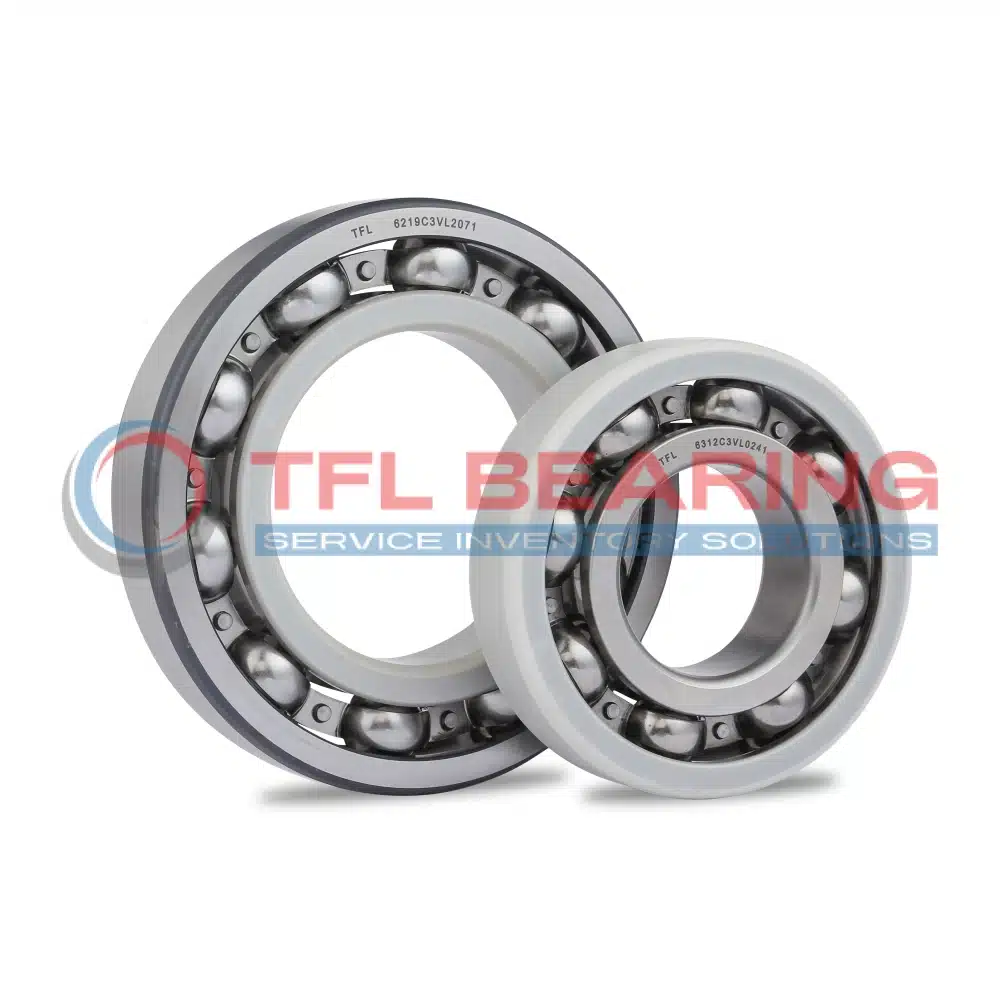
| VL0241 / J20A (Outer Ring Coated) | TFL Outer Ring Insulated (Al2O3) | Direct drop-in, >3000V DC breakdown voltage, highly cost-effective for MRO. |
| VL2071 / J20B (Inner Ring Coated) | TFL Inner Ring Insulated (Al2O3) | Ideal for specific VFD setups where inner ring insulation is specifically required. |
By switching to a specialized manufacturer, you maintain the exact same technical specifications while significantly improving your procurement ROI and reducing lead times.
Pitfall Guide: How to Evaluate a Motor Bearing Supplier
But buyer beware.
The market is flooded with low-cost alternatives claiming to offer premium protection. Falling for these traps will cost you double in maintenance and lost production.
Beware of Inferior Coatings: The “Fake” Insulated Bearing
Not all ceramic coatings are equal.
Many cheap insulated bearings use a thin, poorly applied layer of aluminum oxide. During installation or heavy radial loads, this brittle, uneven coating can easily chip or flake off, instantly destroying the insulation barrier.
Worse, they fail the critical dielectric strength test. A true industrial-grade insulated bearing must withstand a minimum breakdown voltage of >3000V DC. If a supplier cannot provide third-party laboratory testing reports verifying this 3000V threshold, walk away.
Supply Chain Stability: Inventory, Lead Times, and Expertise
In the MRO world, time is literally money.
When a critical VFD motor goes down in a North American facility, you cannot wait 12 weeks for a replacement bearing. You need a supplier with a robust supply chain, predictable lead times, and deep technical expertise in motor applications.
Always evaluate a supplier’s capability to handle both urgent one-off MRO replacement requests and scheduled, large-volume OEM production runs without compromising on quality.